
Healing trauma and addiction together, at your pace
Trauma does not always look the way families expect. The person may seem capable and strong from the outside while privately living with fear, nightmares, shame, or memories they cannot escape. Some people use alcohol or drugs to quiet those experiences: to sleep, to stop thinking, to feel something, or nothing at all. For a while the substance seems to help. Then the relief becomes temporary, the amount increases, and the trauma remains while addiction creates a second layer of pain.
At Present Moments Recovery, we do not ask clients to relive their most painful experiences before they feel safe and ready. Recovery can only happen in the present moment, and that is where we begin. The pages below explore how trauma and addiction connect, and how integrated, trauma-informed treatment works.
In this section

PTSD and Substance Use
When drinking or using becomes the way to sleep, quiet memories, and feel safe, and how integrated treatment addresses both together.
Learn more
Childhood Trauma and Addiction
How early experiences shape coping, attachment, and substance use in adulthood, and why the past does not have to decide the future.
Learn more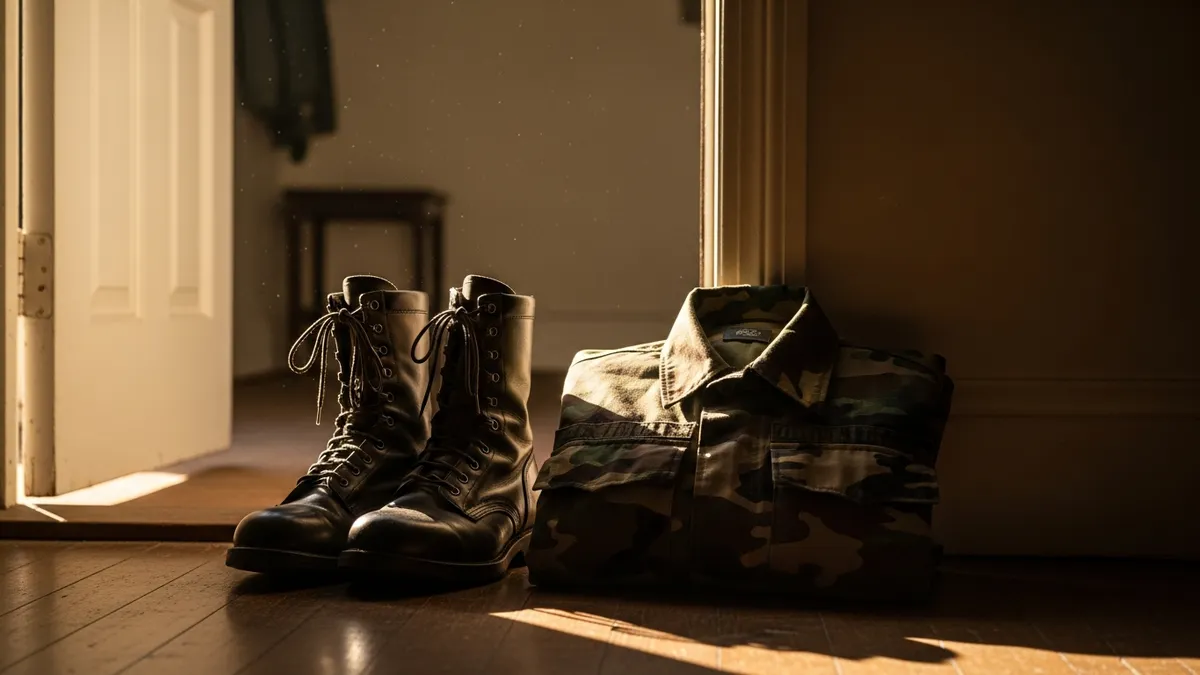
Veteran PTSD and Recovery
Combat trauma, military sexual trauma, moral injury, and the transition home. Veteran-aware treatment for PTSD and substance use.
Learn more
Trauma Triggers and Relapse Prevention
Why relapse plans fail when they ignore trauma reminders, and how to build one around triggers, grounding, sleep, and early warning signs.
Learn more
Helping a Loved One With PTSD and Addiction
How to support someone living with PTSD and addiction without pressuring them to relive the past, plus boundaries and crisis guidance.
Learn more
Trauma-Informed Care at PMR
Care that recognizes the role of past trauma in substance use, without re-traumatizing.
Learn moreYou do not have to tell your whole story to start
The first step is simply explaining what is happening today, not what happened then. Call or text (619) 363-4767. No pressure, just a conversation.
What is trauma?
Trauma is the emotional, psychological, or physical impact of an experience that overwhelms a person's ability to cope at the time it occurs. It can come from a single event or repeated experiences: physical or sexual assault, childhood abuse or neglect, combat or military service, domestic violence, serious accidents, medical emergencies, sudden loss, incarceration, chronic instability, or living with addiction in the family. Not everyone who experiences trauma develops PTSD. People respond differently based on their history, support system, age, biology, and the nature of the experience.
What is PTSD?
Post-traumatic stress disorder is a mental-health condition that may develop after experiencing or witnessing a traumatic event. Symptoms generally involve four areas: intrusive symptoms such as nightmares, flashbacks, and unwanted memories; avoidance of people, places, thoughts, and reminders, sometimes with alcohol or drugs used to disconnect; negative changes in mood and thinking, including shame, guilt, numbness, hopelessness, and difficulty trusting; and heightened arousal, including hypervigilance, being easily startled, irritability, sleep problems, and feeling constantly on guard. A trauma response does not automatically mean someone has PTSD. A qualified mental-health professional evaluates symptoms, duration, severity, and their effect on daily life.
Learn more about trauma, PTSD, and recovery
How trauma and addiction become connected
Many people use substances because they are trying to change how they feel. Alcohol may slow racing thoughts. Cannabis may create emotional distance. Benzodiazepines may reduce panic. Opioids may numb physical and emotional pain. Stimulants may push back against exhaustion and helplessness. Sleeping pills may suppress nightmares. The person may never call it self-medication. They usually say something simpler: it helps me relax, it helps me sleep, it keeps the memories away. The short-term relief reinforces continued use, while over time the substance worsens sleep, anxiety, emotional regulation, and relationships, and makes the trauma symptoms harder to assess and treat.
PTSD and substance use should be treated together
Someone with both PTSD and a substance-use disorder should not have to choose which condition matters more. Treating only the addiction can leave trauma symptoms unmanaged; treating only the trauma while heavy use continues makes stability much harder. Integrated care looks at substance use, withdrawal, trauma symptoms, immediate safety, sleep, medication, physical health, family relationships, and readiness for trauma-focused work. The sequence and pace are individualized. Some clients need stabilization before deeper trauma processing; others can begin trauma-focused treatment while also addressing substance use. The important principle is coordination, not fragmentation.
Trauma-informed does not mean trauma-focused
Trauma-informed care is not one specific therapy. It is an approach that shapes the whole treatment environment: safety, trust and transparency, choice, collaboration, empowerment, and avoiding retraumatization. It asks what happened to this person and what they need to feel safe enough to heal, not what is wrong with them. Trauma-focused therapy is different: it directly addresses traumatic memories and trauma-related beliefs through structured clinical methods such as Cognitive Processing Therapy, Prolonged Exposure, EMDR, or trauma-focused CBT, coordinated through qualified clinicians. Not every client is ready for trauma-focused therapy immediately, and no method is right for every person. Stabilization is not avoidance. Sometimes it is the necessary foundation for safe and effective trauma treatment.
Stabilization comes first
Some clients arrive emotionally overwhelmed, physically depleted, or unable to manage daily life without substances. Before trauma-focused work can be effective, the person may need medical stabilization, withdrawal management, sleep restoration, emotional-regulation and grounding skills, crisis planning, medication coordination, predictable routines, and time to build trust with the treatment team. Stabilization is not a delay in treatment. It is treatment. Alcohol, benzodiazepines, opioids, and some prescription medications may require medical assessment before treatment begins, and stimulant or cannabis withdrawal can also involve severe fatigue, depression, anxiety, and sleep disruption. The safest starting point is always based on clinical need.
Levels of care

Medical Detox
Residential Detox and Withdrawal Management in San Marcos, plus separate outpatient withdrawal management in Carlsbad.
Learn more
Residential Treatment
Round-the-clock residential care in a small, single-family home, typically fewer than six clients.
Learn more
Partial Hospitalization Program (PHP)
Structured daytime treatment at our Carlsbad location, higher support than IOP.
Learn more
Intensive Outpatient Program (IOP)
A DBT-focused intensive outpatient program in Carlsbad for adults 18+, with flexible day and evening structure.
Learn more
Outpatient Treatment
Step-down outpatient care in Carlsbad, PHP, IOP, and Outpatient Level 1, so recovery keeps going as real life resumes.
Learn more
Structured Sober Living
Structured sober living for men at By the Sea Recovery in San Marcos, a non-treatment level of care.
Learn more
Aftercare
The 'through recovery' promise, alumni community, check-ins, and continuing-care planning after treatment.
Learn moreOne connected continuum of care
Trauma recovery becomes harder when clients are passed between disconnected providers. Each transition can mean retelling painful experiences to a new team using a different approach, with important information lost along the way. Present Moments Recovery is built around continuity: one connected team guiding the client and family from detox through residential treatment, PHP, IOP, outpatient support, structured sober living coordination, and aftercare. The level of care changes as needs change. The relationships, communication, and coordinated planning do not. For men who benefit from a recovery-focused living environment during outpatient care, structured sober living may be coordinated through By the Sea Recovery as a separate recovery-housing resource. Sober living is not a licensed clinical treatment level; it is a supportive environment that strengthens ongoing care.
“The beauty of our Continuum of Care model is a consistent treatment team from the beginning of the journey until the client is ready to fly solo. Clients are able to establish trust with their primary counselor, while the team supports them from the first day of care through their transition into the next appropriate stage of recovery.”
Therapies we use
Treatment is individualized to symptoms, stability, history, and readiness. Cognitive Behavioral Therapy helps clients work on trauma-related beliefs, shame, avoidance, and relapse thinking. Dialectical Behavior Therapy teaches emotional regulation, distress tolerance, grounding, and crisis-survival skills, which matter most for people who use substances when emotions become overwhelming. Motivational Interviewing makes room for the very real ambivalence about giving up the substance that has helped someone cope. Individual therapy provides a private place for grief, trust, anger, and identity; group therapy reduces isolation and rebuilds connection without pressure to disclose traumatic details; and experiential approaches such as mindfulness, breathing, and movement support the clinical work. Trauma-focused therapies are coordinated through qualified clinicians when a client is stable and ready.
Our clinical approach
Trauma-Informed Care
Care that recognizes the role of past trauma in substance use, without re-traumatizing.
Learn more
Cognitive Behavioral Therapy (CBT)
Identifying the thoughts and patterns behind substance use and replacing them with healthier ones.
Learn more
Dialectical Behavior Therapy (DBT)
Practical skills for emotional regulation, distress tolerance, and staying steady under pressure.
Learn more
Motivational Interviewing
Strengthening a person's own reasons for change, without lecturing or pressure.
Learn more
Family Therapy
Bringing the family into recovery with honest conversation and clear boundaries.
Learn more
Relapse Prevention
Building the skills, routines, relationships, and purpose that support lifelong recovery.
Learn moreShame, self-blame, and the nervous system
Many trauma survivors carry beliefs like: it was my fault, I should be over this, there is something wrong with me, I am permanently damaged. Substance use can temporarily quiet those beliefs while deepening shame and isolation over time. Treatment helps clients examine those beliefs with compassion and honesty. Accountability for current behavior still matters, but accountability never requires blaming someone for what happened to them. Trauma can also leave the nervous system responding as though danger is still present, swinging between hyperarousal, panic, numbness, and exhaustion. Recovery builds the ability to recognize those states and respond with grounding, breathing, movement, sleep routines, and connection instead of a substance. The goal is not to eliminate every difficult feeling. It is to stay present and safe while those feelings pass.
Trauma, sleep, and nightmares
Sleep problems are among the most common and most underestimated parts of this picture: difficulty falling asleep, fear of sleeping, nightmares, frequent waking, and exhaustion that erodes everything else. Many people first began relying on alcohol, cannabis, benzodiazepines, or sleeping pills at bedtime. Sleep treatment is coordinated alongside substance-use and mental-health care, and can include sleep routines, medication review with qualified prescribers, nightmare management, grounding, and healthy evening structure. Improving sleep strengthens emotional regulation and measurably reduces relapse risk.
Common signs trauma may be affecting recovery
- Substance use increases around reminders or anniversaries
- Repeated relapse follows nightmares, conflict, or emotional distress
- Sleep remains severely disrupted even in sobriety
- Anger or panic appears suddenly, seemingly out of nowhere
- The person becomes emotionally numb, disconnected, or constantly on guard
- Shame prevents honest communication in treatment or at home
- Substance use is described as the only way to quiet the nervous system
- Previous treatment addressed the addiction but never the trauma
These patterns do not confirm PTSD. They indicate that trauma should be considered during assessment and treatment planning, by professionals who know how to look for it without forcing disclosure.
When should someone seek help?
It may be time when trauma symptoms and substance use are occurring together; when alcohol or drugs are being used to sleep or numb memories; when nightmares or flashbacks are affecting daily life; when relationships are being damaged by anger, isolation, or mistrust; when repeated relapse follows trauma reminders; or when the family is unsure how to respond safely. A person does not need to share every detail of what happened before receiving help. The assessment can begin with current symptoms, substance use, safety, and functioning.
If someone is in danger right now
Seek emergency help immediately for suicidal thoughts with intent or a plan, a suicide attempt, threats of harm to others, suspected overdose, severe withdrawal, psychosis, or immediate danger from violence. Call or text 988 for the Suicide & Crisis Lifeline, or call 911 when there is an immediate threat to safety.
Supporting families without pressuring disclosure
Families often want answers: what happened, why they will not talk about it, why they are still affected. Pressuring someone to disclose trauma tends to increase shame and defensiveness. Families help most by focusing on the present: naming concern about the substance use and the pain, offering to find professional help without forcing conversation, and getting guidance and support of their own. Throughout treatment, families receive education on trauma responses, addiction, communication, boundaries, relapse warning signs, and crisis planning. Families deserve help too.
Why families choose Present Moments Recovery
- Trauma-informed, relationship-centered care that never forces disclosure or pace
- One connected team across every level of care, so no one has to start over
- An intentionally small program where clinicians actually know each client
- Veteran-owned, with care attuned to military and first-responder experiences
- PMR is an in-network provider for TRICARE and TriWest. Eligibility, benefits, authorization requirements, and clinical criteria vary by plan and must be verified before admission.
- Most major commercial PPO plans
- Family-centered support, education, and involvement throughout treatment
- Founder-led conversations from the first phone call
- CARF accredited and DHCS licensed, serving North County San Diego
A message from Mark, our founder
I have met many people who believed trauma had permanently defined them. They had learned to survive, but survival had come at a cost. I have also watched people begin to heal once they no longer had to carry everything alone. Recovery does not mean forgetting what happened. It means the past no longer controls every decision in the present. That takes time, trust, and the right support. But I have seen it happen. - Mark Gladden, Founder
Trauma and PTSD treatment in San Diego: quick answer
Present Moments Recovery provides trauma-informed addiction treatment for adults experiencing PTSD, trauma-related symptoms, and substance-use disorders throughout North County San Diego, including Carlsbad, San Marcos, Oceanside, Encinitas, Vista, and Escondido. Treatment emphasizes safety, stabilization, evidence-based therapies, family involvement, psychiatric coordination, and individualized recovery planning across one connected continuum of care.
Ready to talk?
You do not need to tell the entire story before calling. You do not need a confirmed PTSD diagnosis. You only need to explain what is happening now. Call or text (619) 363-4767. No pressure, just a conversation.
Frequently asked questions
What is trauma?
Trauma is the emotional, psychological, or physical impact of an experience that overwhelms a person's ability to cope. It may result from childhood abuse or neglect, assault, domestic violence, combat, serious accidents, medical emergencies, sudden loss, or chronic instability. Not everyone who experiences trauma develops PTSD, but trauma can have lasting effects on emotional health, relationships, and daily functioning.
What is PTSD?
Post-traumatic stress disorder is a mental-health condition that may develop after experiencing or witnessing a traumatic event. Symptoms can include nightmares, flashbacks, intrusive memories, hypervigilance, avoidance, emotional numbness, sleep problems, irritability, and feeling constantly unsafe. A qualified mental-health professional should evaluate whether symptoms meet the criteria for PTSD.
Can trauma lead to addiction?
Trauma itself does not cause addiction, but some people begin using alcohol or drugs to cope with anxiety, fear, painful memories, grief, or shame. Over time, substances often become another source of suffering while the underlying trauma remains unresolved. That is why integrated treatment addresses both together.
Can PTSD and addiction be treated together?
Yes. Current best practice supports treating PTSD and substance-use disorders through coordinated, integrated care. Treatment is individualized and may include stabilization, evidence-based therapy, psychiatric coordination, family involvement, and relapse-prevention planning.
Do I have to talk about my trauma immediately?
No. Trauma-informed treatment does not require clients to disclose painful experiences before they feel emotionally and physically safe. Early treatment often focuses on stabilization, emotional regulation, sleep, safety, trust, and healthy coping skills. The pace of trauma work is always individualized.
What is trauma-informed care?
Trauma-informed care recognizes that difficult life experiences may influence how someone responds to treatment, relationships, authority, and stress. It emphasizes safety, trust, collaboration, choice, empowerment, and avoiding unnecessary retraumatization. It is an approach to treatment, not a single therapy.
Is trauma-focused therapy different from trauma-informed care?
Yes. Trauma-informed care shapes the treatment environment. Trauma-focused therapy directly addresses traumatic memories and trauma-related beliefs through structured, evidence-based clinical methods when the client is stable and ready. Not every client begins trauma-focused therapy immediately, and the method is selected by qualified clinicians.
Why do trauma symptoms sometimes get worse after getting sober?
Many people have used alcohol or drugs to suppress trauma-related emotions. When substances are removed, memories, anxiety, nightmares, or fear may temporarily become more noticeable. This does not mean recovery is failing. It usually means those symptoms can finally be addressed directly with appropriate clinical support.
Can PTSD affect sleep?
Yes, very commonly. People may experience difficulty falling asleep, nightmares, frequent waking, hypervigilance, and fear of sleeping, and some begin relying on alcohol, cannabis, benzodiazepines, or sleeping medications to get through the night. Treatment addresses both the sleep disturbance and the underlying trauma.
Can trauma affect relationships?
Absolutely. Trauma can influence trust, intimacy, communication, emotional regulation, conflict, boundaries, parenting, and friendships. Healing relationships often becomes an important part of long-term recovery, and family involvement is part of treatment when appropriate.
What therapies are commonly used?
Depending on needs and readiness, treatment may include Cognitive Behavioral Therapy, Dialectical Behavior Therapy, Motivational Interviewing, individual therapy, group therapy, family therapy, psychiatric coordination, and trauma-focused therapies when clinically appropriate. Treatment plans are always individualized.
Can families participate?
Yes. Families often benefit from learning how trauma affects behavior, how addiction and trauma interact, healthy communication, boundaries, relapse warning signs, and crisis planning, all without pressuring their loved one to disclose before they are ready. Families deserve support as well.
Do you accept insurance?
Present Moments Recovery works with most major commercial PPO insurance plans. Coverage depends on your individual plan, clinical needs, and the recommended level of care. We do not accept Medicare or Medi-Cal. PMR is an in-network provider for TRICARE and TriWest. Eligibility, benefits, authorization requirements, and clinical criteria vary by plan and must be verified before admission. Coverage, authorization, admission, placement, and payment are not guaranteed.