

Our Clinical Approach
Therapies & Approach
Clinically based treatment built on evidence-based methods. We respect each client's path and help them find recovery supports they can carry forward.
- Evidence-based methods
- Trauma-informed
- Individualized plans
“Present Moments Recovery is a clinically based treatment program. We are not a 12-step-based clinical program. We may introduce clients to 12-step meetings, faith-based recovery, and other peer-support options because long-term recovery often requires connection after treatment. Our clinical work is built around evidence-based methods such as DBT, CBT, Motivational Interviewing, relapse prevention, family involvement, MAT when appropriate, and continuing-care planning. We respect each client's path and help them identify recovery supports they can continue using after they leave treatment.”
DBT

DBT
Practical skills for emotional regulation, distress tolerance, and staying steady under pressure.
- Residential treatment: skills are introduced in a structured setting with daily support, so clients build confidence before returning to everyday responsibilities.
- Partial Hospitalization (PHP): as clients spend more time outside treatment, DBT skills become the framework for managing real-world stress with intensive clinical backup.
- Intensive Outpatient (IOP): recovery starts happening in real life. Clients bring actual situations from work, family, and relationships back to group each week. DBT is a particular emphasis of our IOP track.
- Continuing care: the mindfulness, distress tolerance, emotional regulation, and communication skills keep serving clients long after formal treatment ends.
CBT

CBT
Identifying the thoughts and patterns behind substance use and replacing them with healthier ones.
- I've already ruined today.
- One drink won't matter.
- I deserve this.
- No one understands me.
Motivational Interviewing
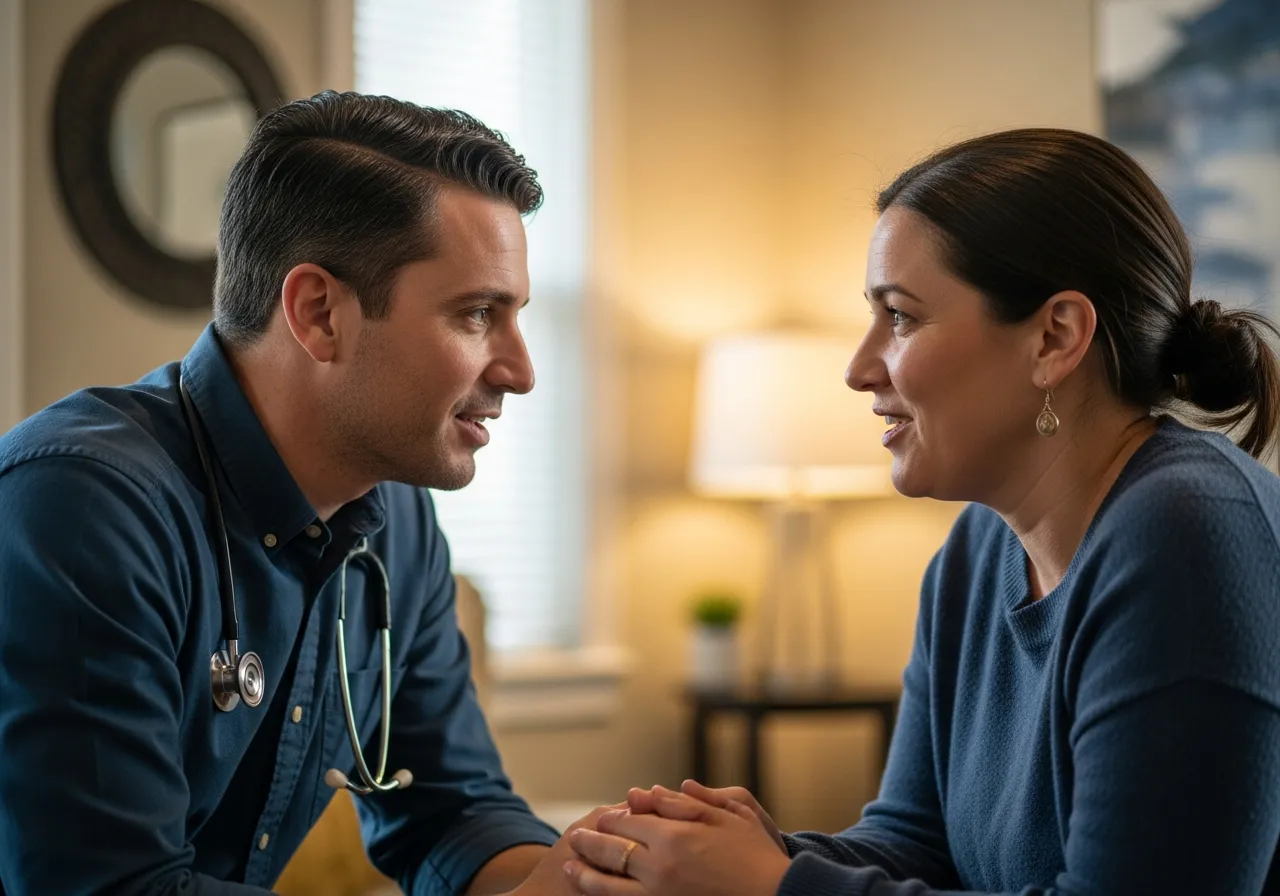
Motivational Interviewing
Strengthening a person's own reasons for change, without lecturing or pressure.
- Partnership: recovery works best when therapist and client work together.
- Acceptance: people deserve compassion and respect, regardless of where they are in the recovery process.
- Compassion: every conversation is centered on supporting the person's long-term well-being.
- Evocation: instead of giving people motivation, therapists help uncover the motivation that already exists within them.
Relapse Prevention

Relapse Prevention
Building the skills, routines, relationships, and purpose that support lifelong recovery.
- Stress and fatigue
- Conflict and relationship difficulties
- Isolation
- Financial pressure
Family Therapy
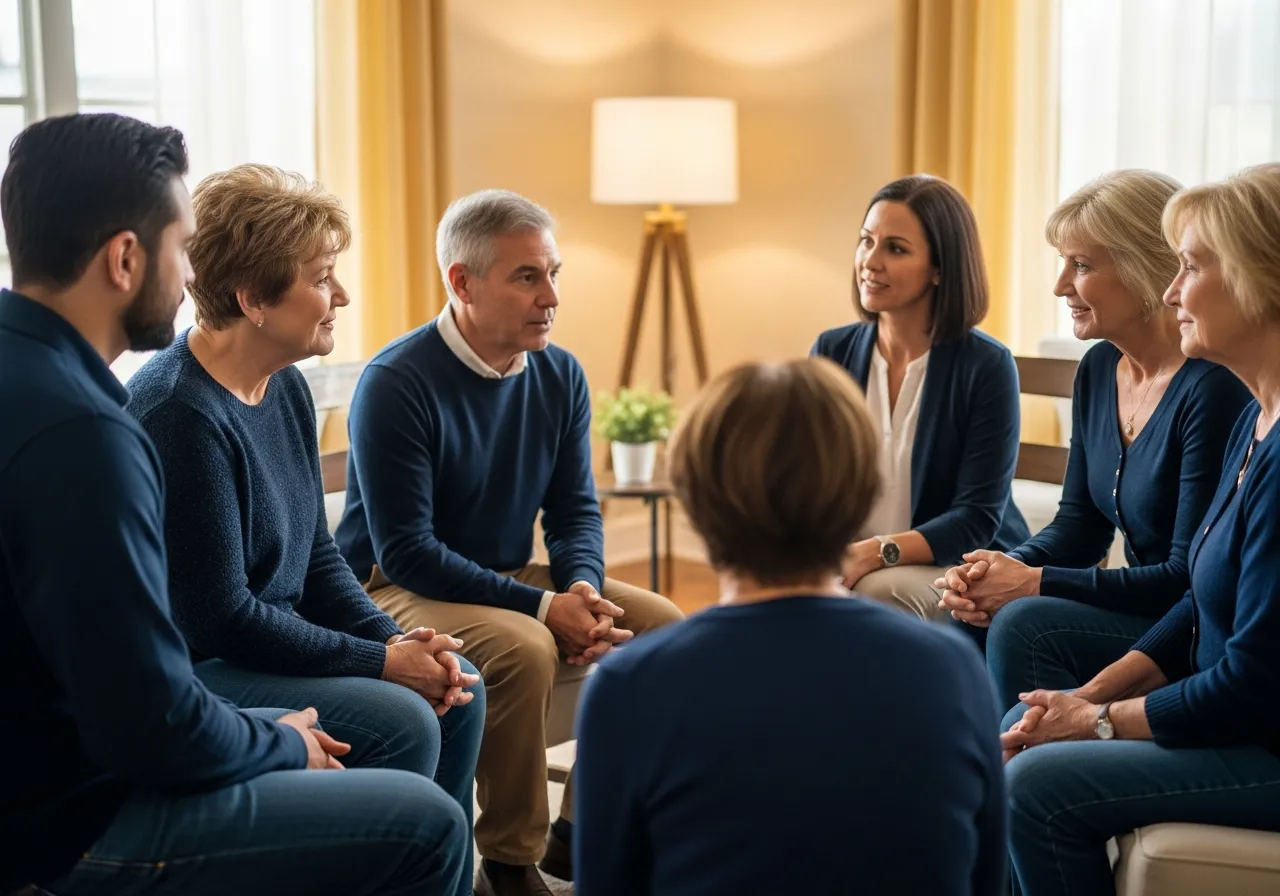
Family Therapy
Bringing the family into recovery with honest conversation and clear boundaries.
- Improving communication
- Rebuilding trust
- Establishing healthy boundaries
- Managing conflict
Trauma-Informed Care

Trauma-Informed Care
Care that recognizes the role of past trauma in substance use, without re-traumatizing.
- Physical safety: an environment where clients feel protected and respected.
- Emotional safety: space to share experiences without fear of judgment or shame.
- Psychological safety: support in developing trust while honoring boundaries and personal experience.
Life Skills & Wellness
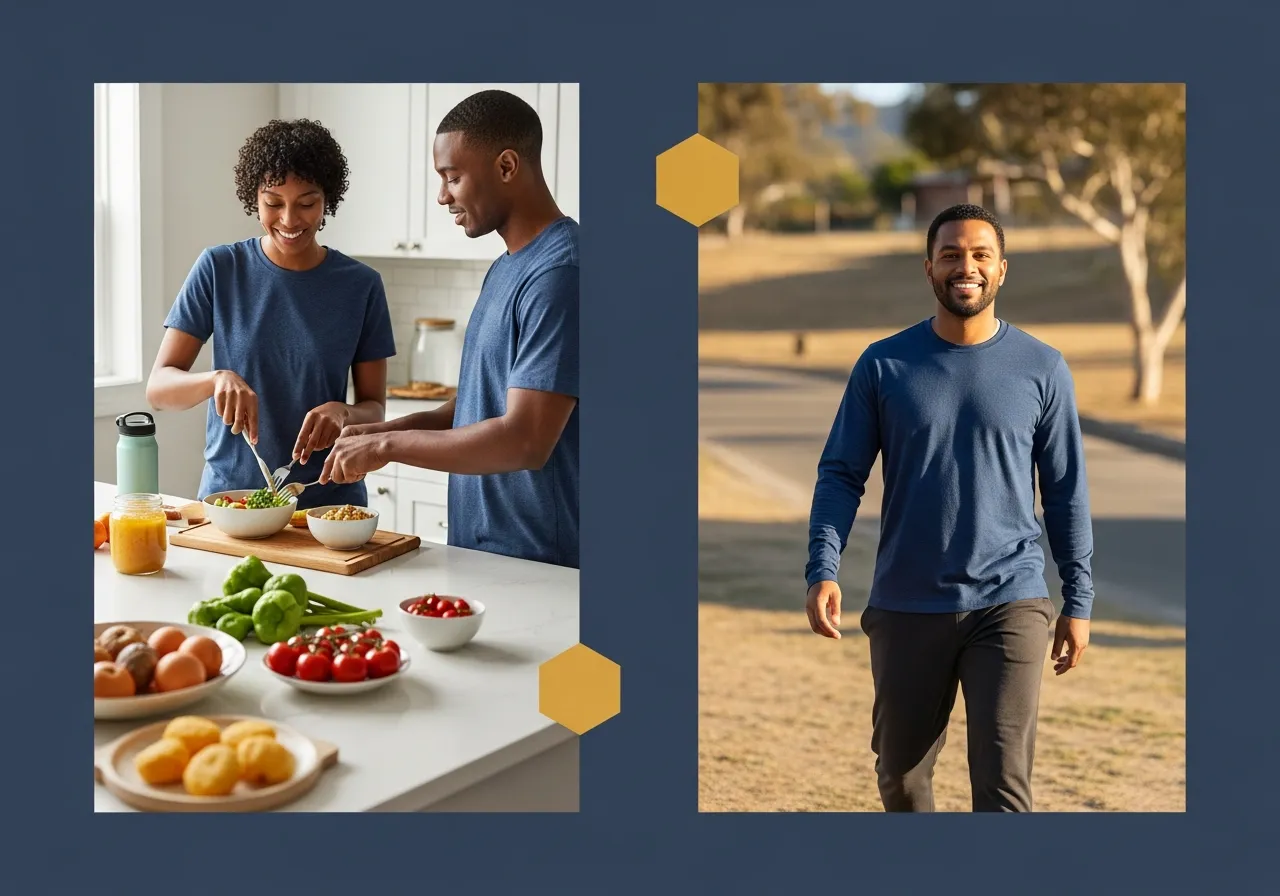
Life Skills & Wellness
Building the practical, emotional, physical, and social skills for a healthy, independent life in recovery.
- Healthy communication and conflict resolution
- Time management and goal setting
- Financial responsibility
- Stress management and emotional awareness
Continuing-Care Planning

Continuing-Care Planning
Ongoing support and a clear written plan for the transitions that follow treatment.
- The next step in care: IOP, outpatient, sober living, or aftercare.
- Ongoing supports: therapy, peer groups, family involvement.
- A relapse-prevention plan with clear next moves.
- Connections to the community resources that fit the person's life.
You do not have to figure this out alone.
Our first step is helping your family understand what may be needed now, and what support comes next. No pressure, just a conversation.