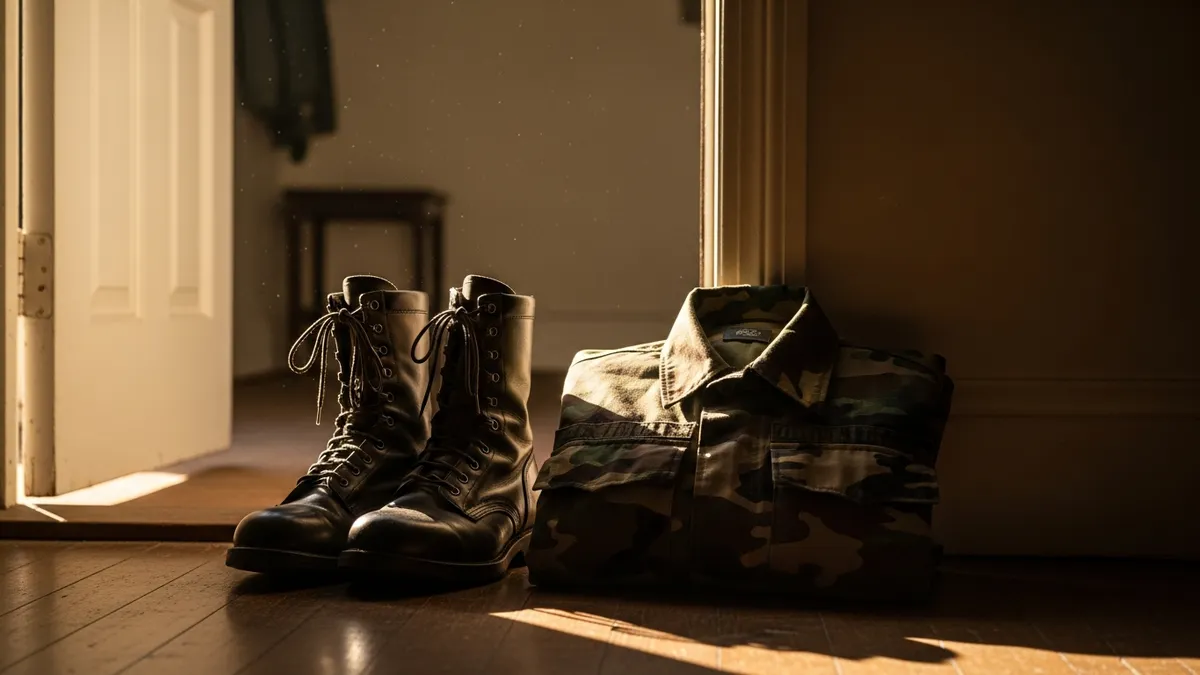
Veteran-owned care that speaks your language
Military service can involve experiences that most civilian treatment programs are not built to understand: combat, loss of teammates, moral injury, military sexual trauma, chronic hypervigilance, and the disorientation of leaving a structured, high-purpose environment for civilian life. PTSD in veterans can look like classic symptoms, nightmares, flashbacks, avoidance, and being constantly on guard, or it can look like irritability, isolation, overwork, risk-taking, and drinking that everyone around the veteran notices before they do.
Related reading

Verify Your Insurance
A quick, confidential benefits check tells you what your plan may cover, before anything else happens.
Learn more
Residential Treatment
Round-the-clock residential care in a small, single-family home, typically fewer than six clients.
Learn more
Alcohol Addiction Treatment
Help for alcohol use disorder, from physician-directed withdrawal management through outpatient care and continuing recovery.
Learn moreWhy substances hook in so effectively after service
- Alcohol forces sleep when hypervigilance will not allow it
- Drinking is socially normalized in and after military culture, so problems hide in plain sight
- Substances blunt anger and irritability that feel dangerous to let out
- Numbing helps avoid grief, guilt, and memories that feel unspeakable
- Stimulants or constant work fill the void where mission and purpose used to be
- Pain medication from service injuries can slide into dependence
Moral injury is not the same as fear
Some of the heaviest weight veterans carry is not terror but conscience: things done, ordered, witnessed, or left undone that collide with a person's own moral code. Moral injury often drives shame, self-punishment, and the belief that one does not deserve to feel better, which makes substance use feel almost logical. Treatment makes room for this honestly. It is not about excusing or erasing anything. It is about carrying what happened in a way that does not require destroying yourself.
Care that respects military culture
Present Moments Recovery is veteran-owned, and that shapes the care. Treatment respects military culture rather than pathologizing it: directness is met with directness, structure is used rather than avoided, and no one is asked to perform vulnerability on command. Trauma work moves at a pace the veteran controls. Care addresses the whole transition, including identity after service, relationships strained by deployment and hypervigilance, sleep, anger, and rebuilding purpose, not just the drinking or the drug use. PMR is an in-network provider for TRICARE and TriWest. Eligibility, benefits, authorization requirements, and clinical criteria vary by plan and must be verified before admission. Coverage, authorization, admission, placement, and payment are not guaranteed.
What treatment can include
Depending on the assessment, care may include medically supervised detox, residential treatment for stabilization and structure, then step-down levels like PHP and IOP as independence rebuilds. Therapies include CBT, DBT grounding and distress-tolerance skills, individual therapy for grief and moral injury, and group work with people who do not need everything explained. Trauma-focused therapies such as EMDR or other structured methods are coordinated through qualified clinicians when the veteran is stable and ready. Family involvement helps spouses and kids understand what is happening and how to support recovery without walking on eggshells.
“The beauty of our Continuum of Care model is a consistent treatment team from the beginning of the journey until the client is ready to fly solo. Clients are able to establish trust with their primary counselor, while the team supports them from the first day of care through their transition into the next appropriate stage of recovery.”
You stood watch. Let someone else take a turn
Talking to us is not weakness and it is not surrender. It is a veteran-owned program that speaks the language. Call or text (619) 363-4767. No pressure, just a conversation.
Frequently asked questions
Do you take TriCare?
PMR is an in-network provider for TRICARE and TriWest. Eligibility, benefits, authorization requirements, and clinical criteria vary by plan and must be verified before admission. Coverage, authorization, admission, placement, and payment are not guaranteed.
Will I be in treatment with people who understand military experience?
PMR is veteran-owned and treats veterans regularly. You will not have to explain military culture from scratch, and you will not be asked to perform vulnerability on a schedule. Group settings include people from many backgrounds, but the program understands and respects where you served.
Do I have to talk about combat or what happened during service?
No. Nothing about your service has to be discussed before you are stable and ready, and trauma-focused work only happens at a pace you control. Early treatment focuses on the present: sleep, safety, substance use, and getting your footing.
What if my problem is anger and sleep, not flashbacks?
PTSD does not always look like flashbacks. Irritability, hypervigilance, insomnia, isolation, and drinking to come down are extremely common presentations in veterans. A proper assessment looks at the whole picture rather than checking for one stereotype of trauma.
Is treatment confidential from my command or employer?
Treatment records are protected by federal privacy laws, and information is not shared without your written consent except in narrow legal circumstances such as immediate safety emergencies. If you have specific concerns about your situation, raise them in the first call and we will walk through them honestly.