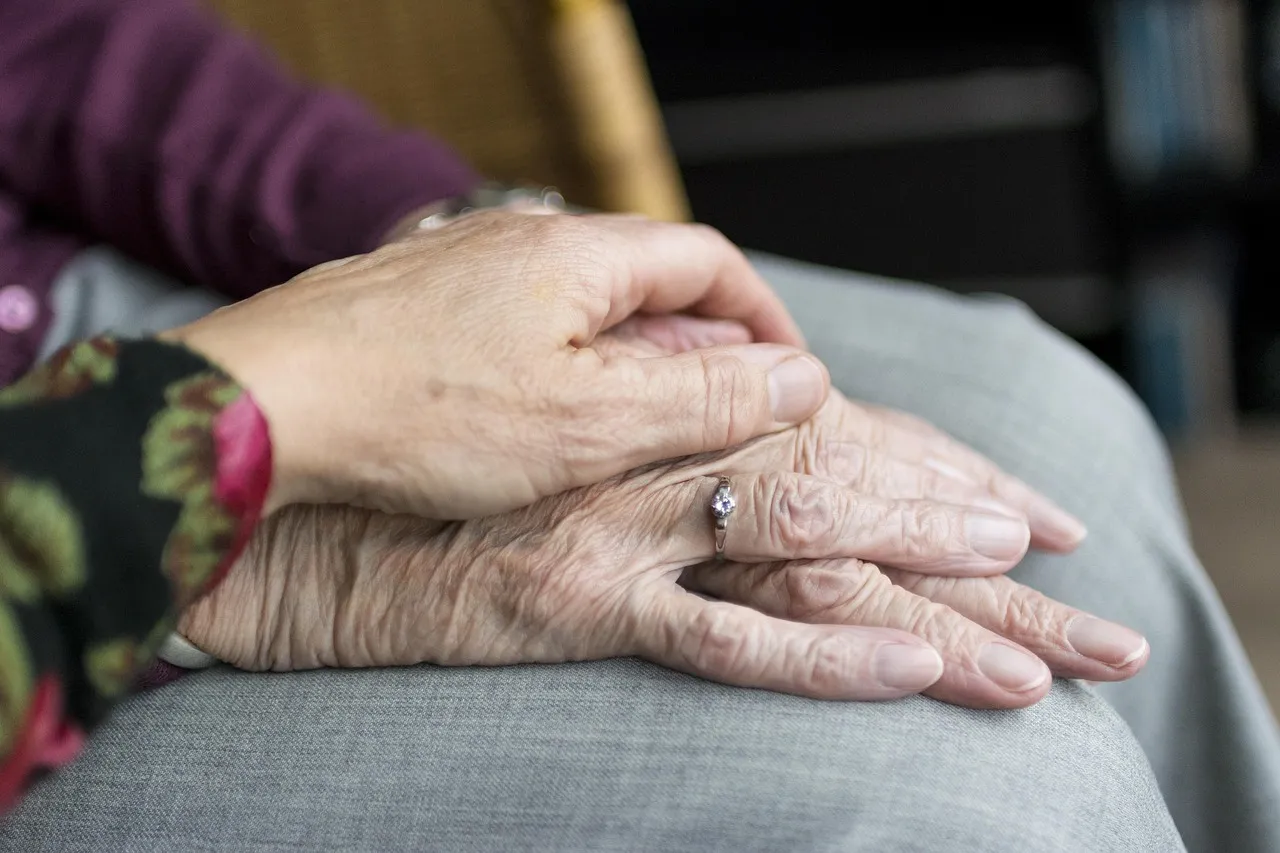
Recovery from opioids and fentanyl is possible
When someone you love is trapped by opioids or fentanyl, it can feel like you are losing them a little more each day. Reaching out is not giving up. It is often the bravest, most loving step a family takes, and recovery is possible.
Opioid use disorder responds well to the right combination of care: physician-directed withdrawal management with structured monitoring and medication support when clinically appropriate, residential treatment to stabilize and rebuild, medication-assisted treatment when it is clinically appropriate, and outpatient support for the long run. At Present Moments Recovery, one clinical team carries that plan from the first day through aftercare. Explore the levels of care below.
Explore the levels of care

Residential Detox and Withdrawal Management for Opioid Withdrawal
Residential Detox and Withdrawal Management in San Marcos, plus separate outpatient withdrawal management in Carlsbad.
Learn more
Residential addiction treatment
Round-the-clock residential care in a small, single-family home, typically fewer than six clients.
Learn more
Partial hospitalization program
Structured daytime treatment at our Carlsbad location, higher support than IOP.
Learn more
Intensive outpatient treatment
A DBT-focused intensive outpatient program in Carlsbad for adults 18+, with flexible day and evening structure.
Learn more
Structured sober living
Structured sober living for men at By the Sea Recovery in San Marcos, a non-treatment level of care.
Learn more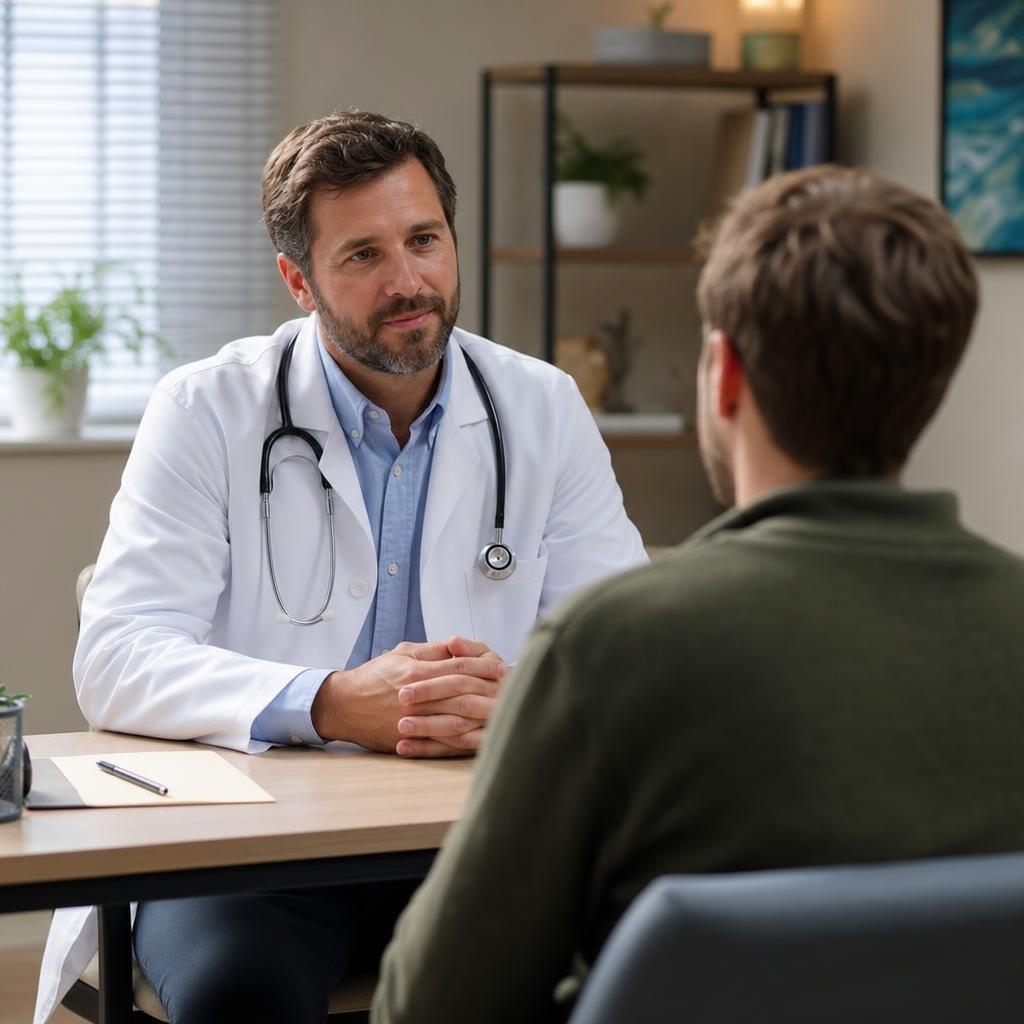
Medication-assisted treatment for opioid addiction
Physician-prescribed medication as one part of a broader clinical program, never a stand-alone fix.
Learn moreWhat families can count on
CARF accredited and DHCS licensed. Serving North County San Diego families for more than ten years. Founder-led conversations, individualized clinical care, and one connected team from detox through aftercare.
What is opioid addiction?
Opioid addiction, known clinically as opioid use disorder, is a chronic medical condition that affects the brain's reward, motivation, and decision-making systems. It is marked by an inability to stop using opioids even when use is causing real harm to health, relationships, work, or daily life.
Opioids include prescription pain medications and illicit drugs such as heroin and fentanyl. Many people begin taking opioids for a legitimate medical reason, then find that prolonged use slowly changes how the brain handles pain, stress, and reward. What started as pain management can become physical dependence and, over time, addiction. The encouraging part is that opioid use disorder responds well to the right mix of medical care, therapy, family support, and long-term recovery planning.
Understanding opioids
The word opioid covers a broad group of medications and substances that act on opioid receptors in the brain and nervous system. They are often prescribed for moderate to severe pain, but they carry a real risk of dependence when misused or taken for long periods. Common opioids include:
- Oxycodone (OxyContin)
- Hydrocodone (Vicodin)
- Morphine
- Codeine
- Percocet
- Fentanyl
- Heroin
These substances differ in strength and origin, but they act on many of the same areas of the brain. As tolerance builds, a person often needs larger doses to feel the same effect, and many eventually keep using simply to avoid withdrawal.
Why fentanyl has changed everything
The biggest shift in addiction treatment over the past decade has been the spread of fentanyl. Fentanyl is a synthetic opioid far more potent than morphine, and it now turns up in counterfeit pills and much of the illicit drug supply.
Many people who believe they are buying a prescription medication, or using another substance entirely, may unknowingly take fentanyl. That sharply raises the risk of overdose, and it makes professional assessment more important than ever. Because fentanyl behaves differently from many other opioids, withdrawal, cravings, and treatment planning often call for careful medical evaluation.
Signs of opioid or fentanyl addiction
Recognizing addiction is not always easy. Many people keep working and meeting daily responsibilities long after dependence has set in, and families often notice gradual changes before they name the problem. Physical signs can include:
- Excessive drowsiness
- Constricted, pinpoint pupils
- Frequent flu-like symptoms
- Changes in sleep patterns
- Weight loss or poor hygiene
- Slowed breathing
Behavioral signs can include:
- Doctor shopping or missing medications
- Financial problems
- Secretive behavior and isolation
- Declining work or school performance
- Loss of interest in hobbies
- Legal problems
Emotional signs can include:
- Mood swings and irritability
- Anxiety or depression
- Lack of motivation
- Emotional withdrawal
- Difficulty concentrating
Not everyone shows every symptom. When several of these appear together, a professional assessment can help clarify whether opioid use disorder is present and what level of care fits.
Why early treatment matters
Families often ask one difficult question: should we wait until they are ready? The reality is that opioid addiction tends to become more dangerous over time. As tolerance increases, overdose risk often rises with it, relationships grow more strained, physical health declines, and financial and legal consequences can become more severe.
Waiting rarely makes treatment easier. Seeking help early creates more opportunities for recovery while reducing many of the risks of prolonged opioid use. That is why we encourage families to reach out, even if they are simply looking for guidance or trying to understand their options. You do not have to figure this out alone.
How we treat opioid and fentanyl addiction
One of the biggest misconceptions about opioid treatment is that everyone follows the same path. They do not. Someone taking prescription pain medication after surgery has different needs than someone using fentanyl every day, and someone entering treatment for the first time has different needs than someone who has been through it before.
Every person who comes to Present Moments Recovery receives a thorough assessment so we understand the complete picture, not just the substance being used. We consider:
- Current opioid or fentanyl use and withdrawal risk
- Physical health and mental health
- Previous treatment experiences
- Family dynamics and living environment
- Employment and legal concerns
- Personal recovery goals
Only then do we recommend a level of care. Our responsibility is not to fit someone into a program. It is to recommend the path most likely to support lasting recovery.
Levels of care your recovery may include
Recovery is rarely one event. It is a process. Depending on the situation, a treatment plan may move through one or more levels of care, with the same connected team along the way.
Medical detox. For many people, treatment begins here. Detox helps the body adjust safely as opioids or fentanyl leave the system, with medical supervision and support through withdrawal. It can be especially important for significant physical dependence or for those using fentanyl, heroin, or multiple substances.
Residential treatment. After detox, some people benefit from the structure of residential care, where they can focus fully on recovery through individual counseling, group therapy, recovery education, and personalized planning.
Partial Hospitalization Program (PHP). As stability improves, PHP offers intensive therapeutic support while a person begins transitioning back into everyday life and stays closely connected to the treatment team.
Intensive Outpatient Program (IOP). Recovery does not end when residential care does. IOP provides continued therapy, accountability, and support while a person returns to work, school, family, and independent living. New skills grow stronger when practiced in real life.
Structured sober living. For some, a structured recovery environment adds accountability and stability during the transition home, reducing relapse risk while reinforcing healthy routines and peer support.
Medication-Assisted Treatment (MAT)
Medication-Assisted Treatment, often called MAT, combines FDA-approved medications with counseling and evidence-based therapy. For some people recovering from opioid addiction, MAT can:
- Reduce cravings
- Decrease withdrawal symptoms
- Lower relapse risk
- Improve treatment retention
- Support long-term recovery
Like every other part of treatment, MAT is not right for everyone. Our clinical team carefully evaluates whether medication may help based on each person's medical history, recovery goals, and clinical needs. When it is appropriate, MAT becomes one part of a broader recovery plan, not the entire plan.
“Medication-Assisted Treatment may be one part of care when clinically appropriate. At Present Moments Recovery, MAT is not a stand-alone solution or the entire treatment model. It is used as part of a broader clinical program that may include medication evaluation, medication management, counseling, treatment planning, relapse prevention, family support, and continuing care. PMR may support physician-prescribed medications such as buprenorphine/Suboxone when appropriate but does not provide methadone treatment on site.”
Our approach goes beyond stopping drug use
Stopping opioid use is only the beginning. Recovery means learning how to live differently. Throughout treatment, clients build practical skills that support long-term success, including:
- Managing cravings and coping with stress
- Emotional regulation
- Healthy communication and relationship repair
- Relapse prevention and goal setting
- Building daily structure
- Reconnecting with purpose
Evidence-based therapies
Present Moments Recovery uses clinical approaches shown to support recovery from substance use disorders. Treatment may include:
- Cognitive Behavioral Therapy (CBT), to recognize and change unhealthy thought patterns
- Dialectical Behavior Therapy (DBT), to build emotional regulation, distress tolerance, and mindfulness
- Motivational Interviewing, to strengthen a person's own motivation for change
- Individual therapy focused on each person's experiences and goals
- Group therapy, to build accountability and reduce isolation
- Family therapy, to improve communication and rebuild trust
Recovery continues after treatment
One of the things that makes Present Moments Recovery different is our belief that treatment should prepare people for life, not simply discharge them. Too often, people complete treatment only to struggle during the transition back into everyday living. That is why recovery planning begins early.
“The beauty of our Continuum of Care model is a consistent treatment team from the beginning of the journey until the client is ready to fly solo. Clients are able to establish trust with their primary counselor, while the team supports them from the first day of care through their transition into the next appropriate stage of recovery.”
Long before someone completes treatment, we are already discussing recovery support systems, healthy routines, living environment, employment, family relationships, peer support, ongoing therapy, accountability, and relapse prevention. Recovery is not measured by how someone leaves treatment. It is measured by how they are doing months and years later.
Supporting families through recovery
Families often carry enormous emotional burdens, having spent years trying to help someone they love while feeling increasingly powerless. We understand how exhausting that can be. Throughout treatment, we help families better understand the nature of opioid addiction, healthy boundaries, the difference between enabling and supporting, communication strategies, recovery expectations, and relapse warning signs. Recovery becomes stronger when families heal alongside the individual.
Why families choose Present Moments Recovery
Families tell us they value a few things about our program. When you call, you often speak directly with Mark Gladden, our founder, not a salesperson or call center. Treatment recommendations are based on clinical need rather than predetermined pathways. When it is clinically appropriate, we help people move through multiple levels of care with one connected team, which reduces confusion and supports long-term recovery. And because we are a smaller program, we can offer more individualized attention. People are not numbers here.
We serve families across North County San Diego, including Carlsbad, San Marcos, Encinitas, Oceanside, Vista, and Escondido.
From our founder
"One of the most rewarding parts of this work is watching families reconnect with someone they thought they had lost. Recovery takes commitment, support, and time, but I have seen firsthand that meaningful change is possible." Mark Gladden, Founder
There is hope
Every day we meet families who wonder if they have run out of options. Many believe they have already tried everything, and many have experienced relapse. Yet we have also watched countless people recover, restore relationships, rebuild careers, and find lives they once believed were impossible. Recovery is not always easy, but it is possible, and taking the first step can begin to change everything.
“Our philosophy is that, for some, relapse is part of their recovery journey. This is not a failure or even a choice. When our clients experience a relapse, the greatest compliment to us is that they don't feel ashamed to reach out and come back in, to pick up where they left off, address what worked and what didn't, and develop next steps.”
Related conditions we treat

Alcohol addiction treatment
Help for alcohol use disorder, from physician-directed withdrawal management through outpatient care and continuing recovery.
Learn more
Prescription drug addiction treatment
Care for dependence on prescription medications, painkillers, sedatives, and stimulants alike.
Learn more
Dual diagnosis treatment
Integrated care when mental health and substance use happen together, treated as one, not two.
Learn more
Trauma-informed addiction treatment
Trauma-informed care that addresses the pain so often beneath substance use.
Learn moreOpioid and fentanyl addiction treatment in San Diego: quick answer
Present Moments Recovery provides individualized treatment for opioid and fentanyl addiction in North County San Diego. Care may include medical detox, residential treatment, outpatient services, medication-assisted treatment, evidence-based therapies, family support, and long-term recovery planning. Every plan is personalized to the person's clinical needs and recovery goals.
Frequently asked questions
What is opioid addiction?
Opioid addiction, also called opioid use disorder, is a chronic medical condition that affects the brain's reward and decision-making systems. It is marked by continued opioid use despite harmful consequences. With the right treatment and ongoing recovery support, many people achieve lasting recovery.
What is fentanyl?
Fentanyl is a synthetic opioid originally developed for severe pain. It is far more potent than morphine and is now frequently found in counterfeit pills and the illicit drug supply, which increases the risk of overdose and accidental death.
How do I know if someone needs treatment?
If opioid or fentanyl use is affecting a person's health, relationships, work, finances, or daily functioning, it may be time for a professional assessment. Common warning signs include increasing tolerance, withdrawal symptoms, loss of control, continued use despite consequences, and isolation from family and friends.
Does everyone need medical detox?
No. Some people need physician-directed withdrawal management because of withdrawal severity or co-occurring medical concerns, while others may begin treatment at a different level of care. A thorough assessment helps identify the most appropriate starting point.
Is opioid withdrawal dangerous?
Opioid withdrawal is not usually life-threatening in otherwise healthy adults, but it can be extremely uncomfortable and may lead someone to return to use quickly. Medical supervision can improve comfort, safety, and the likelihood of staying in treatment.
Can fentanyl withdrawal be different from other opioids?
Yes. Because fentanyl is highly potent and behaves differently from many prescription opioids, withdrawal symptoms and treatment planning may differ. Professional evaluation is recommended.
What is Medication-Assisted Treatment (MAT)?
MAT combines FDA-approved medications with counseling and behavioral therapies to support recovery from opioid addiction. For many people, it helps reduce cravings, improve treatment retention, and support long-term recovery.
Is MAT replacing one addiction with another?
This is a common misconception. When prescribed and monitored appropriately, the medications used in MAT are evidence-based medical treatments that help stabilize a person while they take part in a broader recovery program. Our clinical team carefully evaluates whether MAT is appropriate for each individual.
Can someone recover after multiple relapses?
Absolutely. Many people who enjoy long-term recovery experienced one or more relapses before finding an approach that worked for them. Relapse does not mean treatment has failed. It often means the recovery plan needs to be adjusted.
Do families participate in treatment?
Yes. Addiction affects the whole family. Family education and involvement often improve communication, understanding, accountability, and long-term recovery outcomes.
Do you accept insurance?
PMR may work with PPO and POS plans that include authorized out-of-network benefits. We can help explain your available treatment options and how plan-specific benefits may apply. We do not accept Medicare or Medi-Cal. PMR is an in-network provider for TRICARE and TriWest. Eligibility, benefits, authorization requirements, and clinical criteria vary by plan and must be verified before admission. Coverage, authorization, admission, placement, and payment are not guaranteed.
What happens after treatment ends?
Recovery continues beyond formal treatment. Many people benefit from ongoing outpatient care, sober living, therapy, recovery meetings, recovery coaching, and continued accountability. Our goal is to help clients build a life that supports lasting recovery.