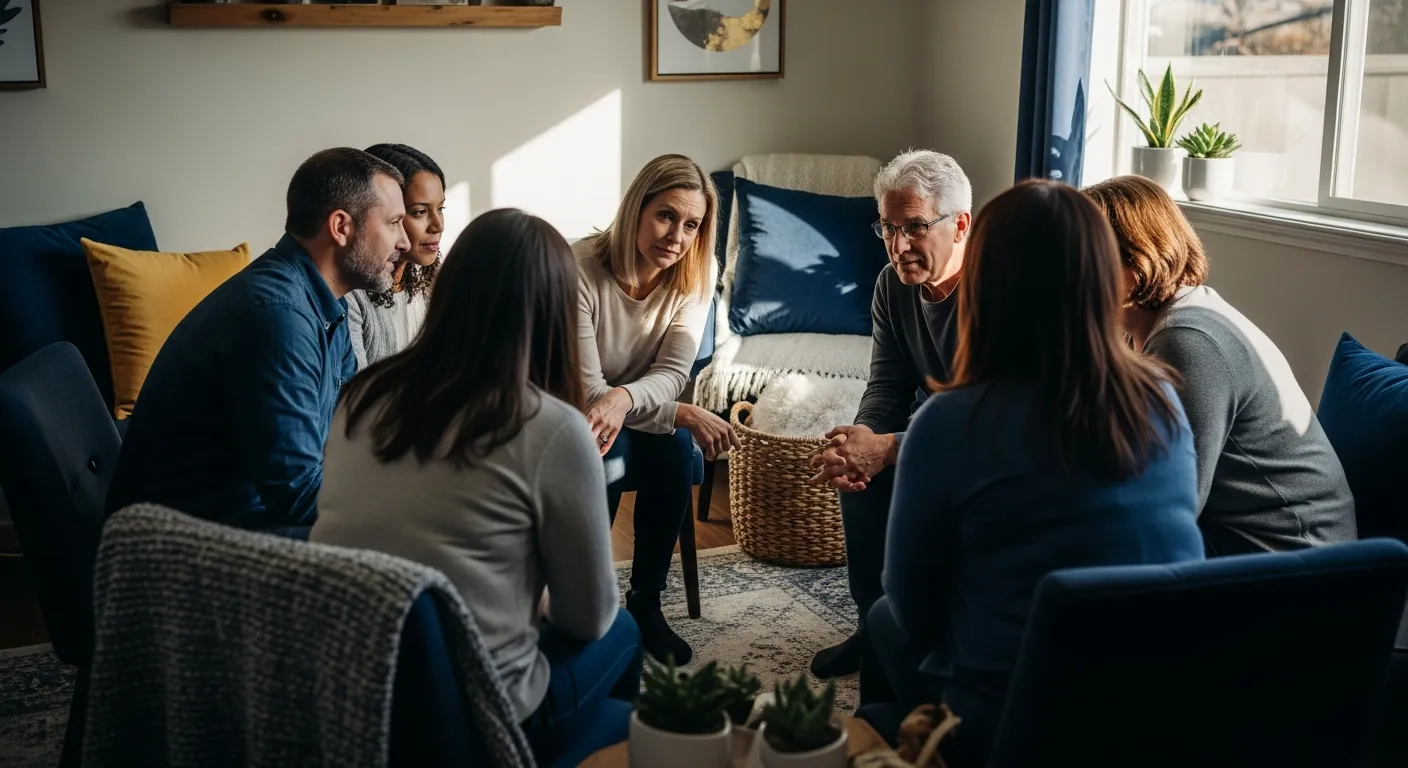
Calm home, small group, great team that knows you
When someone is trying to stop drinking or using, the environment around them is often working against them. Daily stress, old routines, and easy access to substances keep the cycle going, even when the person genuinely wants to quit. That is not a lack of willpower. It is what addiction does when nothing in the surroundings changes.
Residential treatment gives your loved one a way out of that environment so they can focus fully on getting well. At Present Moments Recovery, this happens inside a licensed single-family home in San Marcos, in North County San Diego, a calm and structured place to begin rebuilding. It is not a large institution. It is a smaller setting where people get real attention, real support, and clinical guidance the whole way through. For a lot of people, this is the first time life slows down enough for genuine healing to start.
What residential treatment actually means
Residential treatment is a level of care where your loved one lives at the treatment home while taking part in daily clinical programming. Living on site puts real distance between them and the pressures, triggers, and surroundings that fed the substance use in the first place. On a typical day, that work includes:
- Individual counseling
- Group therapy
- Relapse prevention education
- Emotional and behavioral support
- Life skills development
This structure gives the body and the mind a chance to stabilize while your loved one learns healthier ways to cope. For many people it is the first real opportunity to focus on recovery without the noise of daily life pulling them back.
When residential treatment may be needed
Residential care is usually the right call when addiction has reached a point that needs a higher level of support. Some people come to us after trying to quit on their own again and again. Others arrive after something more serious or frightening. It may be time to consider this level of care when someone has experienced:
- Repeated relapse after attempts to quit
- Substance use that keeps increasing over time
- Withdrawal symptoms when they try to stop
- Strained or damaged family relationships
- Legal or financial consequences tied to substance use
- Repeated emergency room visits related to substance use
- A doctor flagging serious medical concerns related to addiction
In situations like these, a structured residential program offers the stability and medical oversight needed to begin recovery safely, instead of white-knuckling it alone.
Residential treatment guides
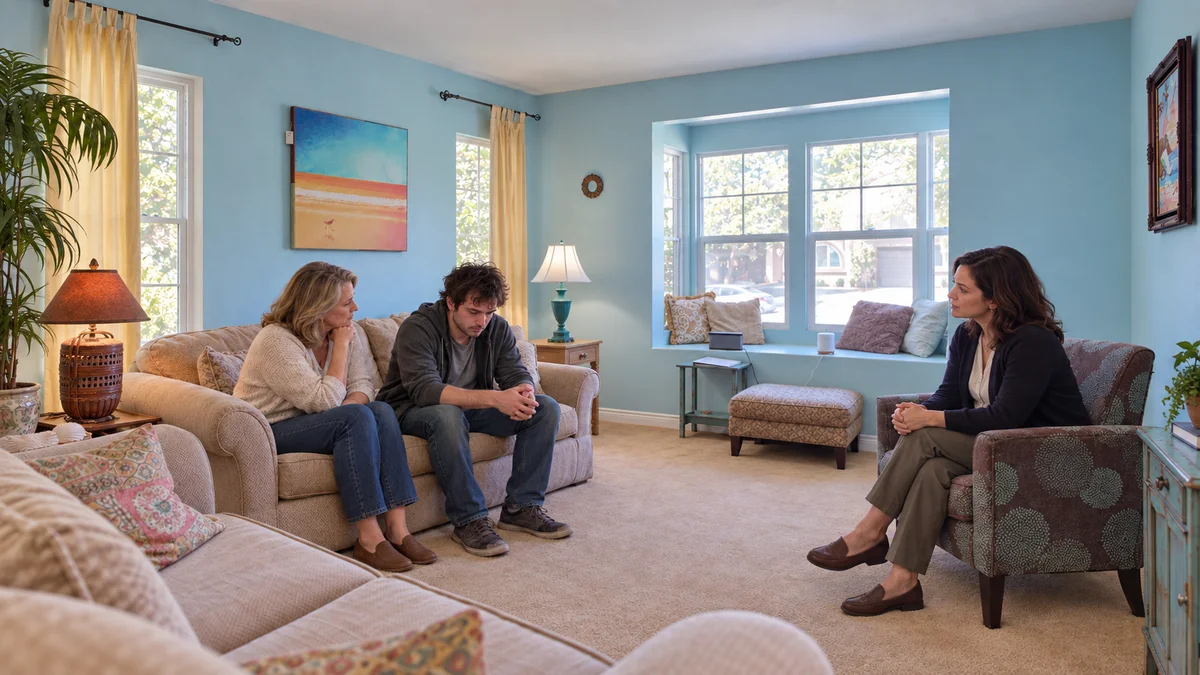
Who Needs Residential Treatment?
How families can tell when outpatient is not enough and a structured, live-in level of care is the safer next step.
Learn more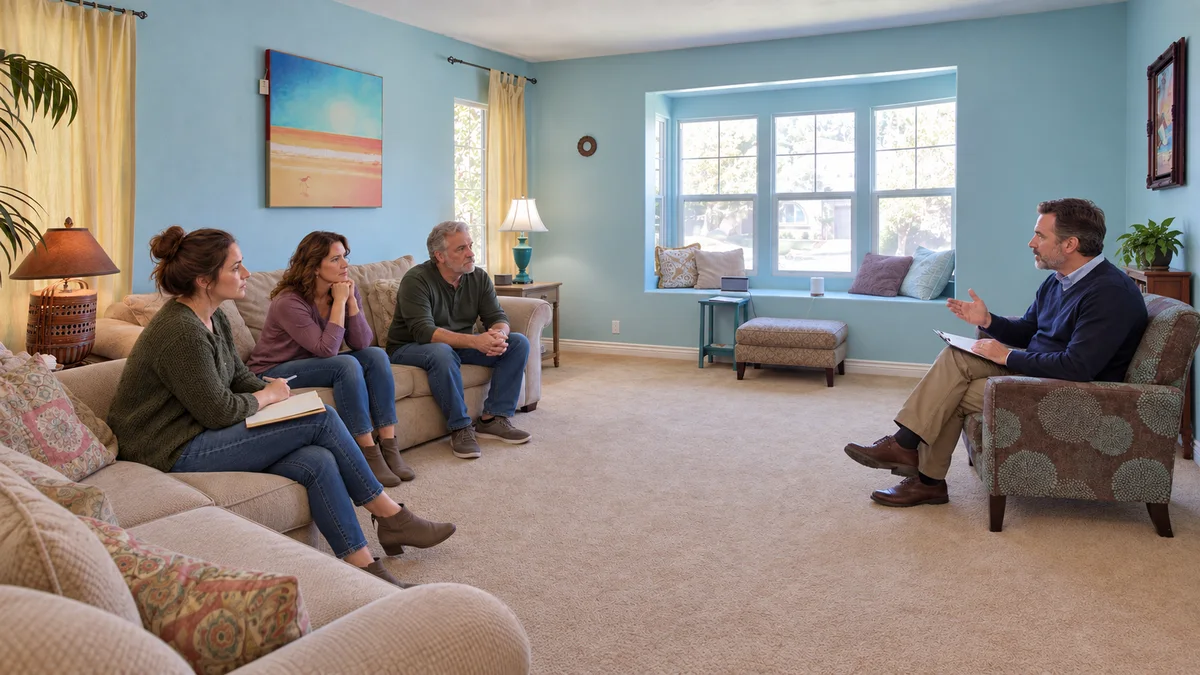
What Happens During Residential Treatment
A real look at daily life inside our San Marcos home, from therapy and groups to the activities that help recovery click.
Learn more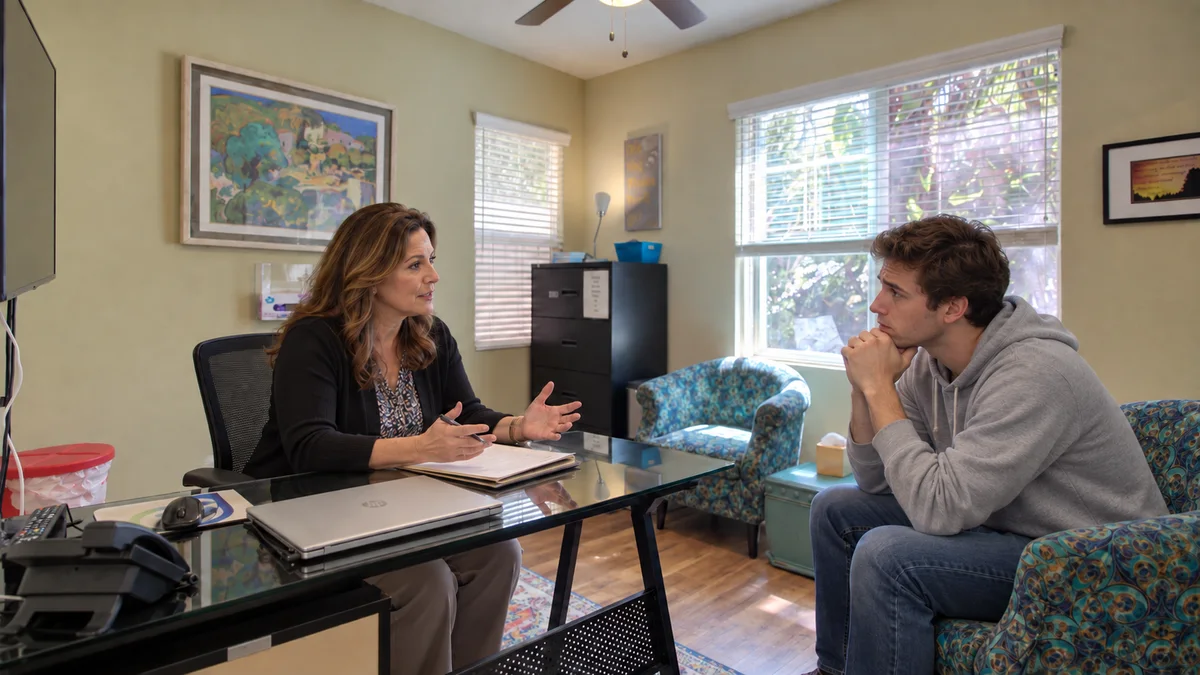
Is 30 Days of Residential Treatment Enough?
Why insurance often caps residential care near 30 days, what the first weeks accomplish, and why the plan after matters most.
Learn more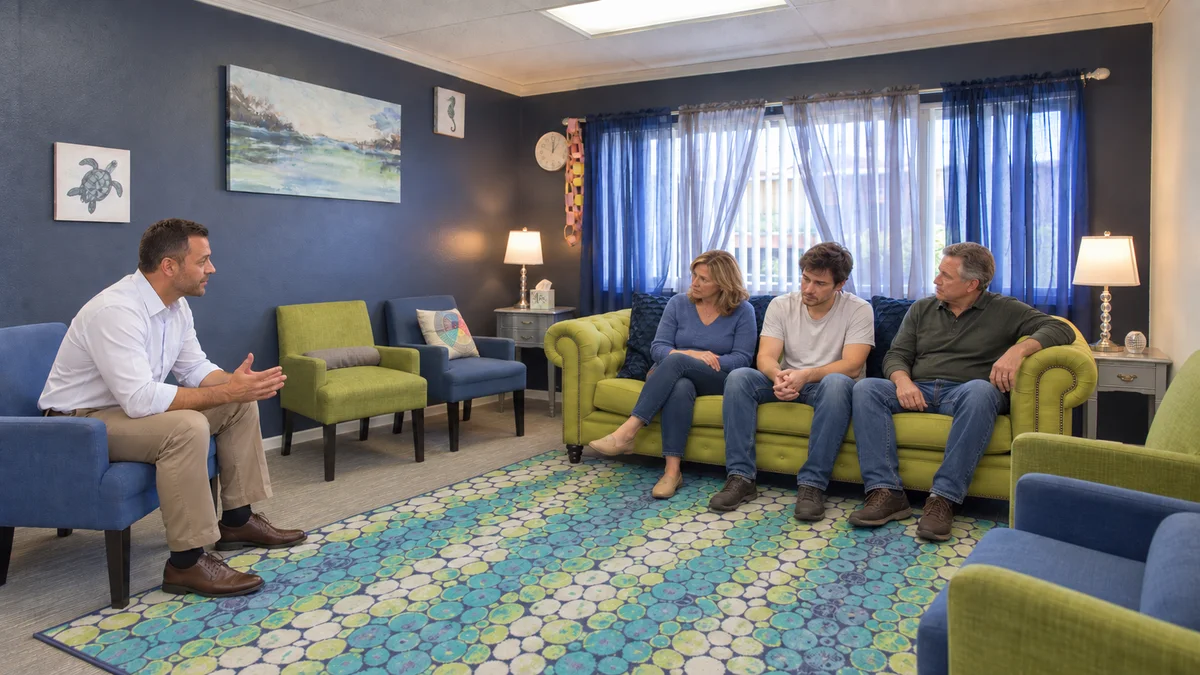
When Lower Levels of Care Have Not Worked
If outpatient or IOP has not held, it does not mean recovery is out of reach. It often means more structure is needed.
Learn more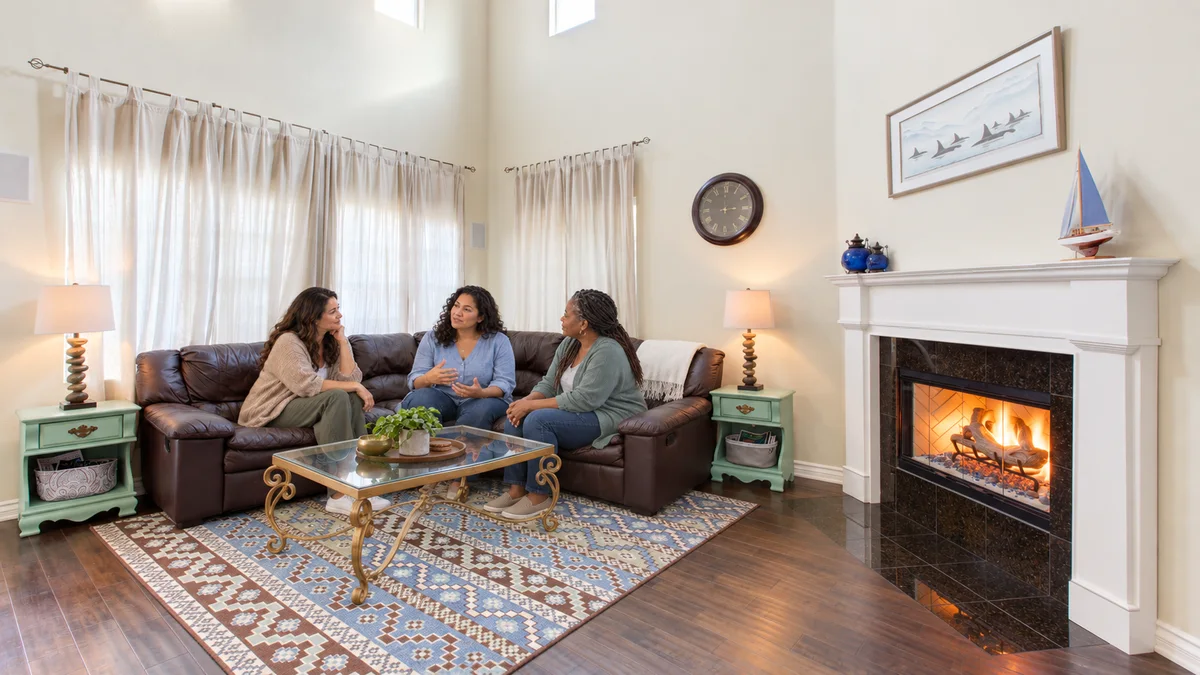
Addiction Treatment for Women in San Diego
Women experience addiction differently. A structured, compassionate setting that accounts for trauma, caregiving, and emotional pressure.
Learn more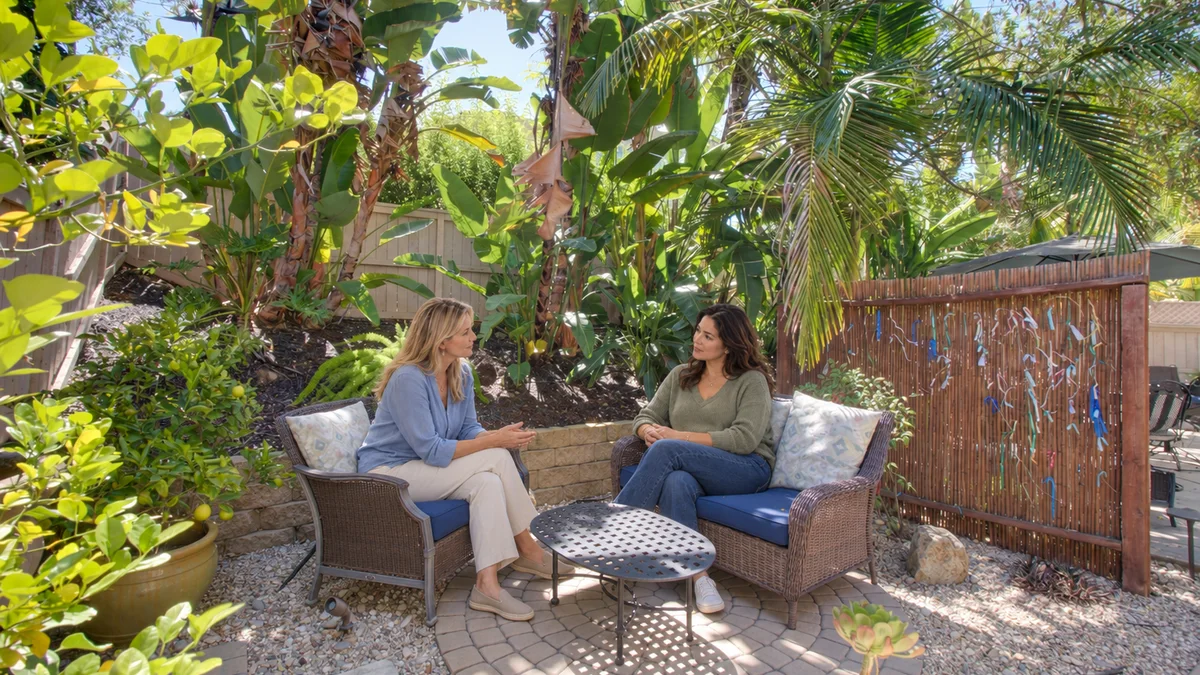
Women and Trauma in Addiction Recovery
When trauma and addiction occur together, both have to be treated together. A look at trauma-informed care for women.
Learn moreWhy a home, not an institution
The setting shapes the whole experience. A lot of programs run out of large institutional facilities where dozens of clients live and go through treatment at the same time. Ours is different. Treatment happens inside an actual single-family home on a single-family street, and we keep the program intentionally small, typically fewer than six clients at a time. Because the house stays small, people tend to experience:
- More personal attention from staff
- Stronger connections with peers in recovery
- Fewer distractions
- A quieter environment to actually focus
In bigger programs, the sheer number of people can add distractions and interpersonal friction. A smaller home takes a lot of that pressure off so your loved one can put their energy into recovery. Families tell us all the time how much it means that their person is healing somewhere that feels like a home, not a facility.
What daily life looks like
Recovery looks a little different for everyone. Alongside traditional clinical therapy, we build in experiences that help people reconnect with themselves in new ways, because not everyone responds to the same approach. A typical day may include:
- Individual therapy sessions
- Group counseling
- Relapse prevention education
- Recovery discussions and reflection
Beyond traditional therapy, people may also take part in things like:
- Physical workouts in a small on-site gym
- Art therapy and creative expression
- Recovery-themed movies followed by group discussion
- Creative writing exercises
- Personal reflection and journaling
These activities often help people look at their relationship with addiction in ways that talk therapy alone does not always reach. We do not assume one method works for everyone. The goal is to put real tools and experiences in front of people so they can connect with recovery in a way that actually means something to them.
Medical oversight during early recovery
A lot of people need medical guidance in the early stages of recovery. At Present Moments Recovery, care is provided under the direction of our Medical Director and clinical team, who help oversee medical care and medication management when it is appropriate. That can include:
- Monitoring physical health during early recovery
- Medication evaluation and management
- Support for people transitioning out of detox
- Guidance on Medication-Assisted Treatment when appropriate
This oversight means your loved one can stabilize safely while staying fully engaged in treatment.
Recovery beyond residential: our Continuity of Care
Recovery is almost never a single step. At Present Moments Recovery, treatment follows a Continuity of Care model that supports people through each stage, with the same team alongside them. Residential treatment is one important step in that path:
- Residential Detox and Withdrawal Management, to stabilize the body safely during withdrawal.
- Residential Treatment, to address the deeper causes of addiction.
- Outpatient Treatment Programs, to continue therapy while returning to daily life.
- Structured Sober Living, supportive housing that helps protect recovery.
This step-down structure lets your loved one regain independence gradually, while keeping support in place through the fragile early stretch of recovery.
“The beauty of our Continuum of Care model is a consistent treatment team from the beginning of the journey until the client is ready to fly solo. Clients are able to establish trust with their primary counselor, while the team supports them from the first day of care through their transition into the next appropriate stage of recovery.”
A safe place to begin
Starting treatment can feel overwhelming. It is completely normal to feel scared or unsure about reaching out. Residential treatment gives people a safe place to begin rebuilding, surrounded by professionals and peers who understand what recovery actually takes. We believe healing happens in an environment of structure, compassion, and respect. Recovery is not about punishment or shame. It is about helping someone rediscover that a healthier, steadier life is still possible.
Speak with someone about residential treatment
If you are wondering whether residential treatment is right for someone you love, talking it through with someone who has done this for years can bring real clarity. We can listen to what you are facing, help you figure out whether residential care fits, explain the levels of care, and lay out the next steps plainly. Our phone line is answered seven days a week, from 8:00 AM–9:00 PM PT. Outside those hours, leave a message or send a text and we will respond as soon as possible. If you need to speak with someone now, call or text (619) 363-4767. No pressure, just a conversation.
Frequently asked questions
What is residential addiction treatment?
Residential treatment is a level of care where your loved one lives at our home in San Marcos while doing daily therapy and recovery work. It removes them from the environment that fed the addiction so they can focus fully on getting well, usually right after detox.
How is your residential program different from a big facility?
We keep it small on purpose, usually fewer than six people in an actual single-family home. That means real attention, real relationships with the clinical team, and a quieter space to focus than a large institutional setting.
Does residential treatment happen before or after detox?
Detox usually comes first to stabilize the body safely during withdrawal. Residential treatment picks up from there and focuses on the deeper work once your loved one is medically stable.
What happens after residential treatment?
Residential is one stage in our Continuity of Care. Most people step down into PHP or IOP and then structured sober living with the same team, so support continues as they return to daily life.
Where is your residential treatment home located?
Our residential program is in a licensed single-family home in San Marcos, in North County San Diego. It is an actual home on a regular street, not a large institutional facility.
What does a typical day in residential treatment look like?
Days combine individual therapy, group counseling, relapse prevention, and recovery discussion with experiences like workouts in our small on-site gym, art therapy, creative writing, journaling, and recovery-themed films followed by group discussion. The mix helps people connect with recovery in a way that fits them.
Is there medical supervision during residential treatment?
Yes. Care is provided under the direction of our Medical Director and clinical team. That can include monitoring physical health, medication evaluation and management, support transitioning out of detox, and guidance on Medication-Assisted Treatment when appropriate.
How do I know if my loved one needs residential treatment?
Residential care often makes sense after repeated relapse, substance use that keeps increasing, withdrawal symptoms when trying to stop, damaged relationships, legal or financial fallout, or a doctor flagging medical concerns. If you are unsure, call or text us at (619) 363-4767 and we will help you think it through.