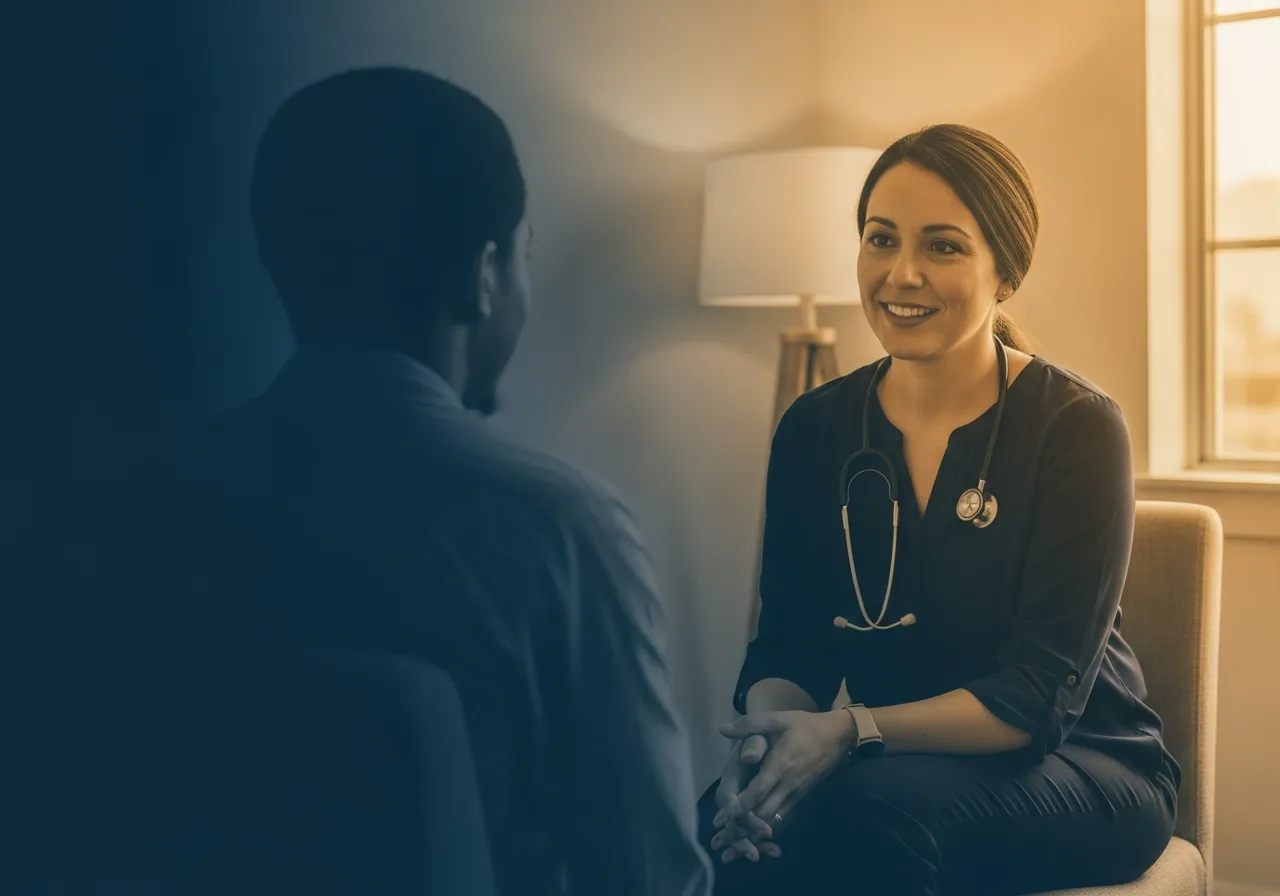
Care that builds safety first, then makes room for healing
Many people entering addiction treatment have experienced far more than substance use. They may also carry the effects of childhood adversity, loss, violence, neglect, military service, grief, betrayal, or chronic stress. Some recognize these experiences as trauma. Others have never thought about them that way. At Present Moments Recovery, we believe healing begins by creating an environment where people feel emotionally and physically safe enough to begin the difficult work of recovery. That philosophy is known as trauma-informed care.
Trauma-informed care is not a single technique. It is the lens through which every part of treatment at Present Moments Recovery is delivered. The two pages below explain how trauma and addiction connect, and how we build the safety that makes real healing possible.
Go deeper into trauma-informed care

Understanding Trauma & Recovery
How traumatic experiences can shape emotional health, substance use, and relationships, and why healing is still possible.
Learn more
Creating Safety During Healing
Why physical, emotional, and psychological safety come first in recovery, and how safety is built and maintained after treatment.
Learn moreWhat is trauma-informed care?
Trauma-informed care is not a single therapy. It is an approach to treatment that recognizes the widespread impact trauma can have on a person's life and recovery. Rather than asking "What's wrong with you?", trauma-informed care asks "What happened to you?" That simple shift changes everything. Instead of focusing only on symptoms or behaviors, treatment considers the life experiences that may have shaped them. This perspective encourages compassion, curiosity, and individualized care while reducing shame and stigma.
The connection between trauma and addiction
Many people do not begin using alcohol or drugs simply to seek pleasure. For some, substances become a way to cope with emotional pain: to numb fear, quiet anxiety, escape painful memories, reduce loneliness, sleep, feel accepted, or simply make it through another difficult day. Although substances may provide temporary relief, they rarely address the underlying issues contributing to emotional suffering. Over time, addiction often creates additional challenges while leaving the original pain unresolved. Trauma-informed addiction treatment recognizes this relationship and helps clients develop healthier ways of coping.
Trauma looks different for every person
There is no single definition of trauma that fits everyone. An experience that deeply affects one person may affect another differently. Potentially traumatic experiences include childhood abuse or neglect, domestic violence, sexual assault, military combat, serious accidents, medical procedures, sudden loss of a loved one, community violence, natural disasters, emotional abuse, bullying, chronic instability, and significant relationship betrayal. Trauma is not measured by comparison. It is measured by its impact on the individual.
Safety comes first
- Physical safety: an environment where clients feel protected and respected.
- Emotional safety: space to share experiences without fear of judgment or shame.
- Psychological safety: support in developing trust while honoring boundaries and personal experience.
When people feel safe, meaningful healing becomes more possible.
The principles of trauma-informed care
- Safety: creating environments that support healing.
- Trustworthiness: being transparent, honest, and consistent.
- Collaboration: working together rather than directing treatment from above.
- Empowerment: helping clients rediscover confidence, strengths, and resilience.
- Choice: respecting each person's voice and participation in treatment decisions whenever appropriate.
- Cultural humility: recognizing and respecting each individual's unique background, experiences, and identity.
More than a clinical model
Trauma-informed care is not something that only happens during a therapy session. It influences every interaction a person has throughout treatment: from the first phone call, to the initial assessment, to individual counseling, group therapy, family meetings, and discharge planning. At Present Moments Recovery, trauma-informed care is not a department. It is part of our culture, and it shapes how we serve individuals and families throughout North County San Diego.
Understanding behavior through a different lens
One of the most meaningful shifts in trauma-informed care is recognizing that many behaviors developed for a reason. A person who struggles to trust others may have experienced betrayal. Someone who avoids difficult conversations may have learned that conflict was not emotionally safe. Someone who becomes overwhelmed may have lived through experiences that left lasting effects. Rather than immediately asking how to stop a behavior, we first seek to understand what purpose it may have served. That understanding creates compassion. Compassion creates connection. Connection often becomes the foundation for healing.
Empowering clients through collaboration
Recovery is most effective when people feel they have a voice in their own treatment. Whenever appropriate, clients participate in conversations about personal goals, treatment priorities, recovery planning, family involvement, and continuing-care recommendations. This collaborative approach helps people rebuild confidence while taking an active role in their recovery. Trauma-informed care also recognizes strengths, not just struggles: perseverance, courage, compassion, creativity, loyalty, and determination that have simply been overshadowed by addiction. Recovery involves rediscovering those strengths and learning how to use them in healthier ways.
Trauma-informed care at every stage of treatment
- Residential treatment: clients begin establishing emotional safety and trust with the clinical team while focusing on stabilization and healthier coping strategies.
- Partial Hospitalization (PHP): as clients transition into greater independence, trauma-informed principles continue guiding therapy, skill development, and communication.
- Intensive Outpatient (IOP): recovery increasingly takes place in everyday environments, with clients applying new coping strategies at work, school, and home with continued support.
- Continuing care: healing does not end when treatment concludes; trauma-informed principles keep supporting clients through new life experiences and lasting recovery.
Supporting families through a trauma-informed lens
Family members often carry their own emotional pain. Many have experienced years of fear, uncertainty, broken trust, and exhaustion. Trauma-informed care recognizes that healing may involve the entire family. Family sessions encourage compassionate communication, healthy boundaries, increased understanding, shared problem-solving, realistic expectations, and mutual respect.
How it complements other therapies
Rather than replacing other therapies, trauma-informed care enhances them. It creates the foundation upon which evidence-based approaches can be more effective. Clients may participate in Cognitive Behavioral Therapy, Dialectical Behavior Therapy, Motivational Interviewing, family therapy, relapse prevention, and continuing-care planning, all delivered through a trauma-informed lens, across residential treatment, PHP, and IOP.
Building resilience for the future
Healing from trauma does not mean forgetting difficult experiences. It means learning that those experiences no longer have to define every decision moving forward. Recovery becomes an opportunity to build emotional resilience, healthy relationships, greater self-awareness, confidence, hope, purpose, and meaning. While no one can change the past, people can develop new ways of responding to the future.
“The beauty of our Continuum of Care model is a consistent treatment team from the beginning of the journey until the client is ready to fly solo. Clients are able to establish trust with their primary counselor, while the team supports them from the first day of care through their transition into the next appropriate stage of recovery.”
A message from Mark Gladden, Founder
One of the things I've learned over the years is that people are often carrying far more than anyone else can see. Sometimes it's childhood trauma. Sometimes it's grief. Sometimes it's years of shame, fear, or loss that have never been spoken aloud. I've never believed our role is to judge people for how they've survived. Our responsibility is to create an environment where they feel safe enough to begin healing. When people experience compassion instead of judgment, they often discover strengths they didn't realize they still had. Watching that transformation remains one of the greatest privileges of this work.
You deserve to be treated with dignity
No matter what you have experienced, your story is more than your addiction. Recovery begins with being seen as a whole person, not simply a diagnosis or a collection of symptoms. If you or someone you love is considering treatment, we are here to answer your questions and help you explore the next step.
Frequently asked questions
What is trauma-informed care?
Trauma-informed care is an approach to treatment that recognizes many people entering addiction recovery have experienced difficult or traumatic life events. Rather than focusing only on symptoms or behaviors, it considers how those experiences may influence a person's emotional well-being, relationships, and recovery while emphasizing safety, trust, collaboration, and respect.
Is trauma-informed care a specific type of therapy?
No. Trauma-informed care is not a single therapy or counseling technique. It is a philosophy that guides how treatment is delivered. Evidence-based therapies such as CBT, DBT, Motivational Interviewing, and family therapy can all be delivered through a trauma-informed approach.
Does everyone in addiction treatment have trauma?
Not everyone has experienced trauma in the same way, and not everyone who has experienced trauma develops an addiction. However, research has consistently shown that trauma and substance use disorders frequently occur together. Recognizing that possibility helps clinicians provide more compassionate, individualized care.
Can someone recover without discussing traumatic experiences?
Yes. Recovery is highly individualized. Some people choose to explore past experiences in depth, while others initially focus on stabilization, coping skills, and building a foundation for recovery. Trauma-informed care respects each person's readiness and avoids forcing conversations before someone feels emotionally prepared.
What does emotional safety mean?
Emotional safety means feeling respected, heard, supported, and free to express thoughts and feelings without fear of ridicule, judgment, or humiliation. Creating emotional safety often helps clients participate more fully in treatment and develop stronger therapeutic relationships.
Does trauma-informed care mean avoiding difficult conversations?
No. Healing often requires discussing painful experiences. Trauma-informed care simply changes how those conversations happen. Rather than pushing people beyond their emotional capacity, clinicians work collaboratively, respectfully, and at a pace that supports long-term healing.
Can trauma-informed care help family members?
Yes. Family members may also experience emotional stress, grief, anxiety, or trauma related to a loved one's addiction. Trauma-informed family work encourages understanding, healthier communication, and stronger relationships while supporting everyone's well-being.
Is trauma-informed care appropriate for people with PTSD?
Yes. Although trauma-informed care is not a treatment specifically for PTSD, it provides an environment that supports individuals living with PTSD and other trauma-related conditions while integrating evidence-based therapeutic approaches when clinically appropriate.
Why is trauma-informed care important during addiction treatment?
Many people initially use alcohol or drugs as a way of coping with emotional pain, stress, fear, or traumatic experiences. Trauma-informed care helps address those underlying experiences while supporting healthier coping strategies, stronger therapeutic relationships, and long-term recovery.
What makes Present Moments Recovery's approach different?
At Present Moments Recovery, trauma-informed care is not limited to one therapist or one program. It influences the first phone call, individual therapy, group counseling, family involvement, communication style, and continuing-care planning. We believe every person deserves to be treated with dignity, compassion, and respect throughout their recovery journey.