Serious clinical treatment that works around your real life
Recovery does not stop when someone leaves detox, residential treatment, or PHP. In a lot of ways, this is where recovery starts meeting real life. As people return to work, family responsibilities, and daily routines, they face the same environments and stresses they did before treatment, and without continued structure that transition can be one of the most vulnerable stretches of early recovery. Our Intensive Outpatient Program is built for exactly this stage.
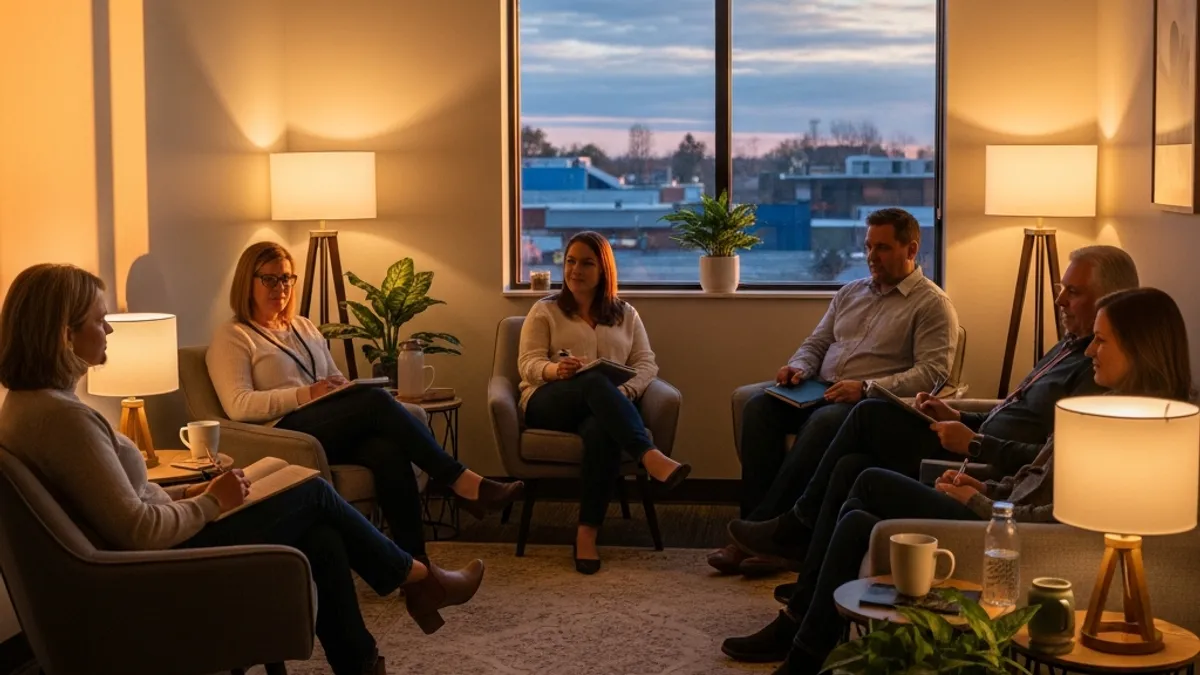
IOP lets people keep building recovery skills while living outside the residential environment and returning to normal responsibilities. It is co-ed and serves adults 18 and older at our Carlsbad outpatient office. People stay connected to their treatment team and recovery community while learning to manage real-world challenges in healthier ways.
A DBT-focused program
Dialectical Behavior Therapy (DBT) is at the center of our IOP. Families and clients often ask us specifically for a DBT IOP, and that is exactly what this is. DBT builds skills for emotional regulation, distress tolerance, healthier communication, and relapse prevention: the practical tools that make recovery stick.
What IOP looks like at PMR
Our IOP is nine hours of clinical treatment a week, usually three three-hour evening group sessions, often Monday, Wednesday, and Friday. Evening programming lets people attend treatment while keeping daytime responsibilities like work, school, or family. In some situations there may be scheduling flexibility based on clinical needs and availability. Most people stay in IOP for six to twelve weeks, depending on progress and insurance coverage.
What happens in a session
Each three-hour group focuses on topics that support long-term sobriety, including:
- Addiction education
- Coping-skills development
- Relapse-prevention strategies
- Emotional regulation
- Communication and relationship skills
- Art therapy and creative expression
People are encouraged to bring real situations from work, family, and daily life into the group, then work through them with guidance from the clinical team and feedback from peers in recovery. That is how healthier responses to stress start replacing old patterns.
IOP guides
What to Expect in IOP
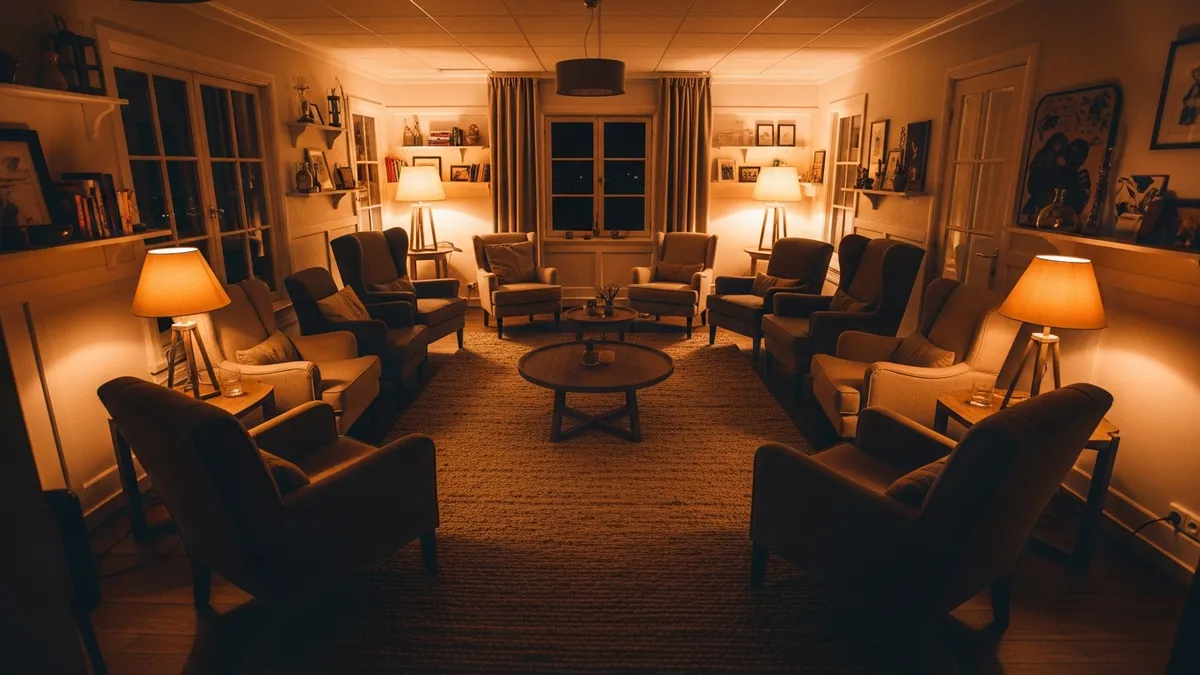
What an evening in IOP actually looks like, from the first check-in to what happens between sessions.
Learn more
IOP While Working Full Time
Evening IOP exists so treatment and a paycheck do not have to compete. How working professionals and parents make it work.
Learn more
DBT Skills in IOP
Our IOP is built around DBT. Here is what those skills actually are, in plain language, and why they make recovery hold.
Learn more
PHP vs IOP for Cash-Pay Families
Paying for treatment yourself? Here is how we help families weigh PHP against IOP, and why steady, longer-term support often gives the best shot at lasting recovery.
Learn more
Partial Hospitalization (PHP)
Structured daytime treatment at our Carlsbad location, higher support than IOP.
Learn more
DBT (Clinical Approach)
Practical skills for emotional regulation, distress tolerance, and staying steady under pressure.
Learn more
Outpatient Treatment Overview
Step-down outpatient care in Carlsbad, PHP, IOP, and Outpatient Level 1, so recovery keeps going as real life resumes.
Learn moreContinuity of Care
Compare treatment levels and see how support can change as needs change.
Learn moreDrug and alcohol screening and accountability
Because IOP happens outside a residential setting, people spend most of their time in the community, so drug and alcohol screening is an important part of the program. It provides accountability and helps the team see how someone is managing recovery between sessions, that they are staying abstinent, able to take part safely, and holding stability between visits. If someone cannot stay abstinent on an outpatient basis, it may be a sign they need a higher level of care, like detox or residential treatment. The goal is never punishment, it is making sure each person is in the level of care that best supports their safety and recovery.
Built for working professionals and parents
A lot of people in IOP are returning to full-time work, caring for family, or rebuilding everyday routines. Evening sessions let them stay engaged in recovery without stepping away from daytime responsibilities, so they can keep working, support their families, rebuild healthy routines, and stay connected to treatment and recovery support.
The same team, fewer hours
With our Continuity of Care model, people often keep working with the same clinical team they had in residential or PHP. The clinicians already know the history, the challenges behind the addiction, the progress made, and the goals in the plan. Rather than starting over in a new program, treatment simply continues with fewer hours as stability grows.
Stepping down to Outpatient Level 1
As people keep stabilizing, many move from IOP into Outpatient Level 1, which continues therapy and recovery support with fewer weekly hours. Independence keeps growing while clinical support stays in place.
Learn more about DBT
Want to understand the clinical method behind our IOP? Our DBT page explains it in plain language.
A dedicated outpatient location
IOP takes place at our outpatient office in Carlsbad, separate from the residential home. Because sessions are in the evening, people come to group and then head home afterward. We serve families throughout North County San Diego, including Carlsbad, Encinitas, Oceanside, San Marcos, and Vista.
Where IOP fits in the Continuity of Care
IOP is one stage in a structured progression designed to keep people supported at every step:
- Clinical assessment, to understand what is really going on
- Residential Detox and Withdrawal Management, to stabilize the body safely
- Residential treatment, to address the deeper causes of addiction
- PHP, a full clinical day while living at home or in sober living
- IOP, nine evening hours a week while daily life resumes
- Outpatient Level 1, sober living support, and continuing recovery care
“The beauty of our Continuum of Care model is a consistent treatment team from the beginning of the journey until the client is ready to fly solo. Clients are able to establish trust with their primary counselor, while the team supports them from the first day of care through their transition into the next appropriate stage of recovery.”
Frequently asked questions
What is an Intensive Outpatient Program (IOP)?
IOP provides structured addiction treatment while someone lives at home or in sober living. People attend clinical sessions during the week while continuing to work, care for family, and manage daily responsibilities. It is a way to keep building recovery skills while practicing them in real life.
How many hours a week is IOP?
Nine hours a week, usually three three-hour group sessions, often Monday, Wednesday, and Friday evenings. Some scheduling flexibility may be available depending on clinical needs and availability.
Is your IOP in the evenings?
Yes, our primary IOP schedule is evening groups. That is intentional, it lets working professionals and parents stay in treatment without stepping away from daytime work, school, or family responsibilities.
How long does IOP last?
Most people stay in IOP for six to twelve weeks, depending on their progress and insurance coverage. Many continue afterward in Outpatient Level 1 for lighter ongoing support.
Can I keep working while attending IOP?
Yes, that is much of the point. Evening sessions are designed so you can keep your job, care for family, and rebuild daily routines while staying connected to treatment and recovery support.
Is your IOP DBT-based?
Yes. Dialectical Behavior Therapy is at the core of our IOP. DBT builds practical skills for emotional regulation, distress tolerance, healthier communication, and relapse prevention, the tools that help recovery hold up in real life.