When outpatient isn't enough, live-in care is the safer step
Most families reach a point where they ask a question that is hard to say out loud: does my loved one actually need residential treatment? That question usually comes after a lot has already been tried. Outpatient counseling. Support groups. Stretches of sobriety that started with real hope and then slipped. Sometimes a detox that worked for a week and then unraveled at home.
If you are asking the question, you already know something is not working. I want to make the answer clearer, not heavier.
Keep reading about residential care

Residential Addiction Treatment in San Diego
Round-the-clock residential care in a small, single-family home, typically fewer than six clients.
Learn more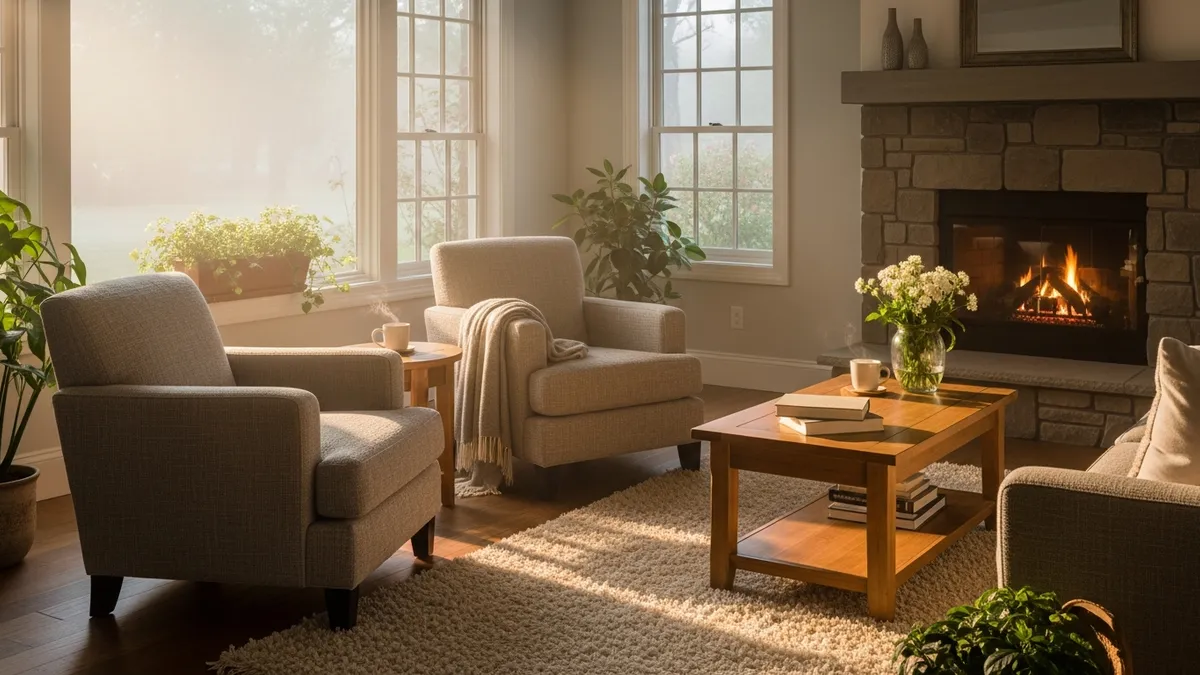
What Happens During Residential Treatment
A real look at daily life inside our San Marcos home, from therapy and groups to the activities that help recovery click.
Learn more
When Lower Levels of Care Have Not Worked
If outpatient or IOP has not held, it does not mean recovery is out of reach. It often means more structure is needed.
Learn more
Is 30 Days of Residential Treatment Enough?
Why insurance often caps residential care near 30 days, what the first weeks accomplish, and why the plan after matters most.
Learn more
Medication-Assisted Detox
Residential Detox and Withdrawal Management in San Marcos, plus separate outpatient withdrawal management in Carlsbad.
Learn more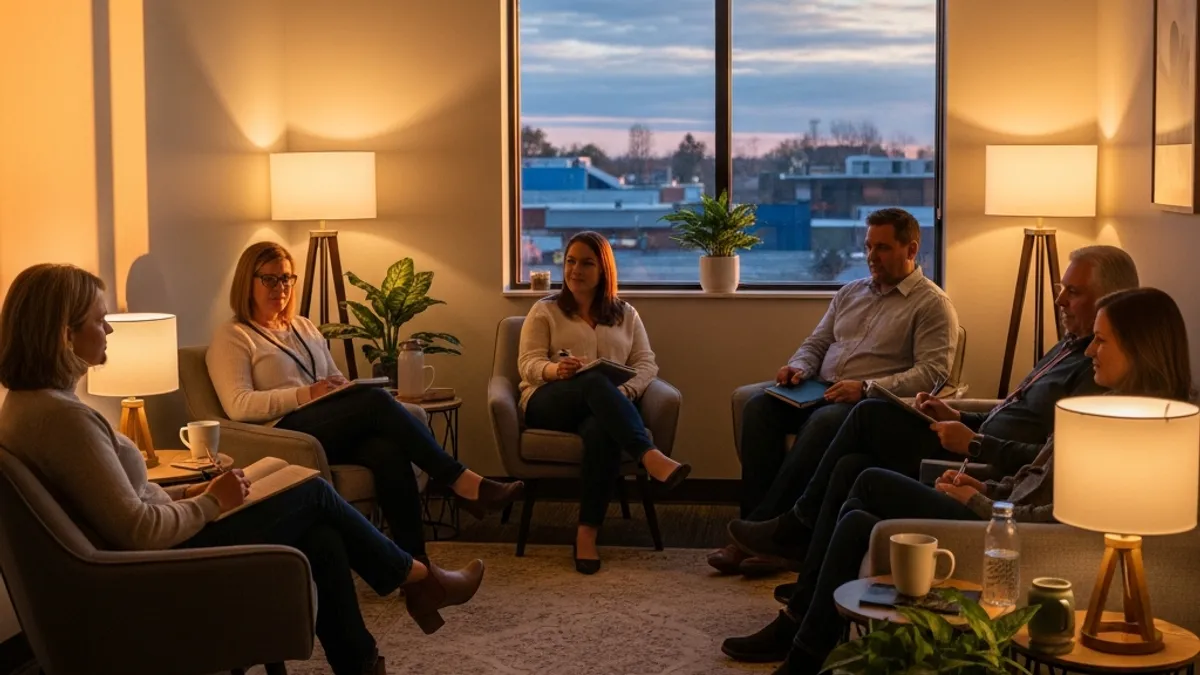
Intensive Outpatient (IOP)
A DBT-focused intensive outpatient program in Carlsbad for adults 18+, with flexible day and evening structure.
Learn moreWhat residential treatment actually is
Residential treatment is a level of care where your loved one lives at our home in San Marcos while doing therapy and recovery work every day. The point is simple: get them out of the environment that keeps feeding the cycle so they can focus on one thing for a while. Residential care usually follows medical detox, once withdrawal has stabilized and the real work can begin.
During this stage, the work moves past just stopping the substance. We start looking at what is underneath it: the stress, the emotions, the patterns, and the relationships that addiction has been tangled up in.
Signs residential treatment may be the right call
Residential care tends to make sense when addiction is affecting more than one part of a person's life at the same time. Families often start considering it when they see:
- Substance use that continues even after honest attempts to stop
- Outpatient counseling that has not been enough to hold sobriety in place
- Relapse that keeps happening after stretches of recovery
- A home environment that makes staying sober nearly impossible
- Mental health struggles, like depression or anxiety, sitting alongside the addiction
- A detox that happened, but with no structure to carry the progress forward
When outpatient is not enough
Outpatient programs work well for people who are stable and can manage recovery while living at home. That is a real path for a lot of people, and we offer it. But some people need more structure in the early stretch, especially when life has gotten chaotic.
It is usually time to consider a higher level of care when daily routines have fallen apart, when use has escalated quickly, when trauma or mental health is complicating things, or when relapse keeps showing up soon after outpatient treatment ends. Living at home means living with the same triggers. Sometimes the most loving thing is a clean, quiet space to reset.
Not sure which level of care fits?
You do not need to figure that out before you call. That is what the first conversation is for. Call or text (619) 363-4767, no pressure, just a conversation.
How residential fits into the bigger picture
We do not treat residential as a one-and-done program. It is one stage in our Continuity of Care, where the same clinical team stays with your loved one from one level to the next. The path usually looks like detox, then residential, then outpatient, then structured sober living, with continuing care woven through. Recovery holds better when the stages are connected instead of stitched together from strangers.
Residential treatment for men and women
We provide residential treatment for both men and women. Addiction shows up differently from person to person, but the need for stability, structure, and to be treated like a human being is universal. For some people, the residential setting is the first real space they have had to face trauma, rebuild a routine, and learn to cope without a substance in their hand.
Frequently asked questions
How do I know if my loved one needs residential treatment instead of outpatient?
If outpatient counseling has not been enough to hold sobriety in place, if relapse keeps happening, or if the home environment keeps pulling them back into use, residential care is worth a real look. The honest answer usually comes from a short conversation about what has already been tried. You can call or text us at (619) 363-4767 and we will help you think it through.
Does residential treatment come before or after detox?
Detox usually comes first. It stabilizes the body safely during withdrawal. Residential treatment picks up from there and focuses on the deeper work of recovery once your loved one is medically stable.
Do you treat both men and women in residential care?
Yes. We provide residential treatment for both men and women. We also have pages specifically for women, including addiction treatment for women and trauma-informed care, because those searches often reflect a different set of concerns.
What happens after residential treatment ends?
Residential is one stage in our Continuity of Care. Most people step down into outpatient care and structured sober living with the same team, so the support does not drop off the day they leave the house.
Where is your residential treatment home located?
Our residential home is in San Marcos, in North County San Diego. It is a real single-family home in a quiet setting, not a large institution, which gives people a calm space to focus on recovery after detox.