
When treatment hasn't held, structure changes everything
A lot of people start recovery with lower levels of care: outpatient therapy, counseling, an Intensive Outpatient Program. For some, that is enough to get traction. For others, it is not, and that is where a lot of families find us, worn down and confused after their loved one has tried treatment and still keeps struggling.
I want to say this clearly. If lower levels of care have not worked, it does not mean recovery is out of reach. It usually means more support is needed than home-based treatment can give right now.
Explore the right level of care

Residential Addiction Treatment in San Diego
Round-the-clock residential care in a small, single-family home, typically fewer than six clients.
Learn more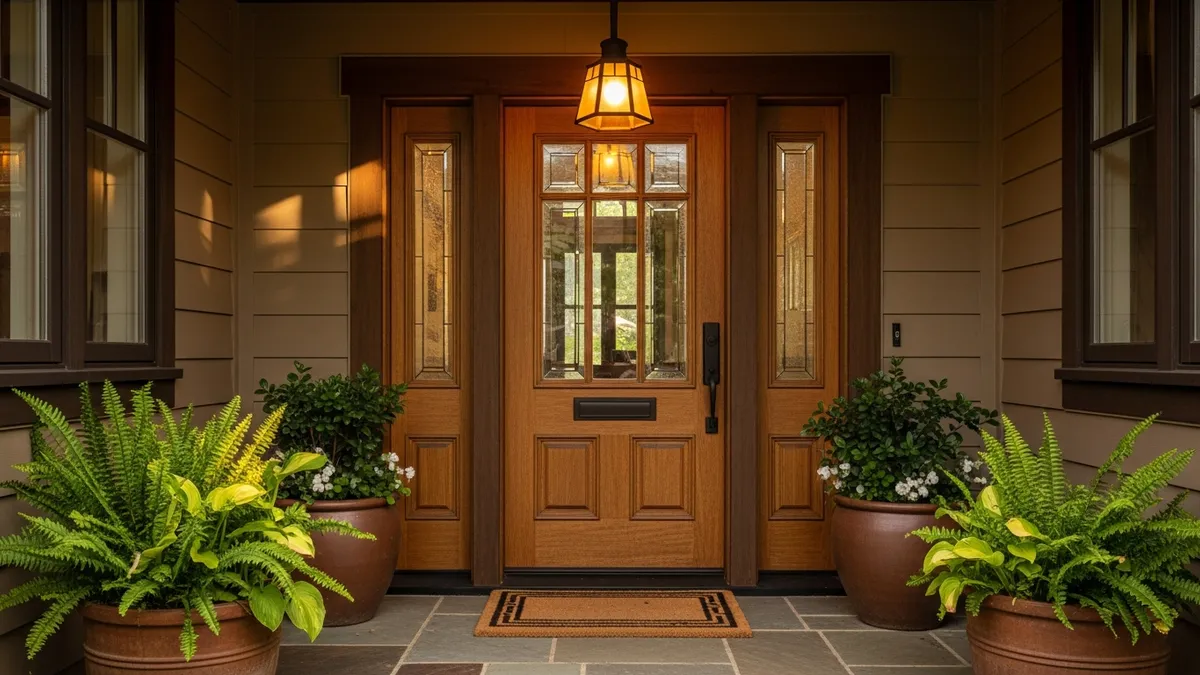
Who Needs Residential Treatment?
How families can tell when outpatient is not enough and a structured, live-in level of care is the safer next step.
Learn more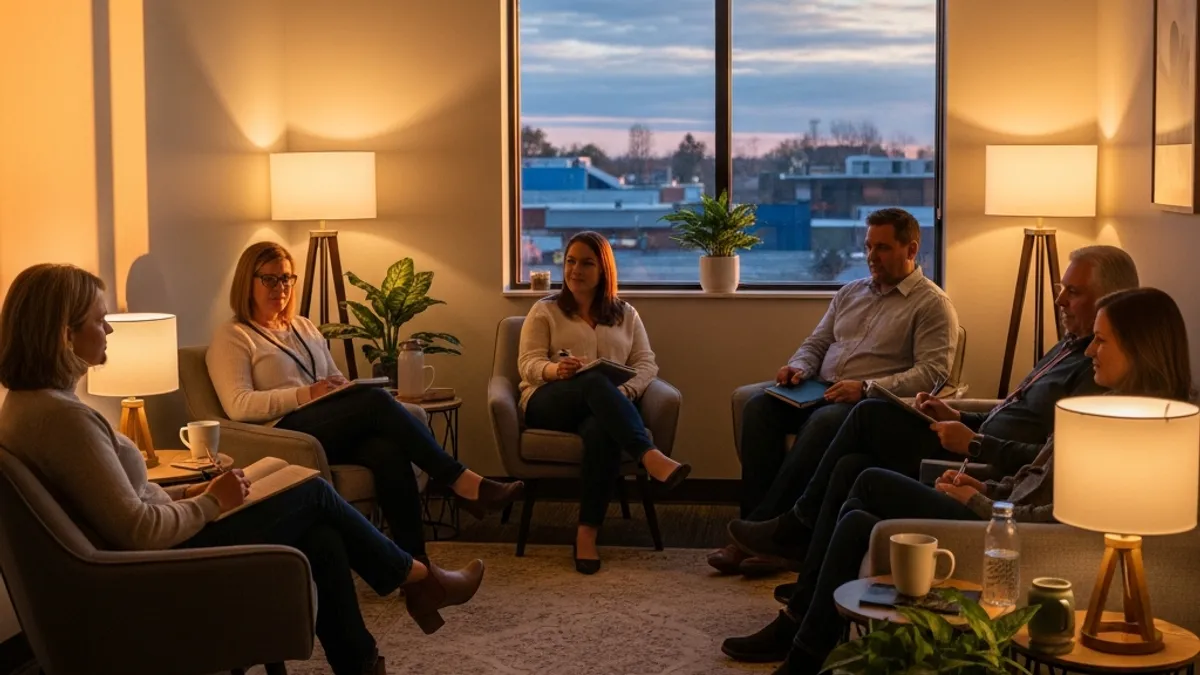
Intensive Outpatient (IOP)
A DBT-focused intensive outpatient program in Carlsbad for adults 18+, with flexible day and evening structure.
Learn more
Partial Hospitalization (PHP)
Structured daytime treatment at our Carlsbad location, higher support than IOP.
Learn more
Co-Occurring Disorders (Dual Diagnosis)
Integrated care when mental health and substance use happen together, treated as one, not two.
Learn moreOur Continuum of Care
Compare treatment levels and see how support can change as needs change.
Learn moreWhat lower levels of care actually are
Lower levels of care usually mean a person lives at home and goes to sessions during the week. That can include:
- Outpatient counseling
- Intensive Outpatient Programs (IOP)
- Partial Hospitalization Programs (PHP)
- Medication management with a physician
- Recovery coaching or support groups
These work well for people with a stable home and a strong support system. But when addiction has gotten worse, or relapse keeps happening, that setting may not have enough structure to break the cycle.
Signs lower levels are not enough
Families usually start looking at higher levels of care when they keep seeing the same patterns:
- Relapse that keeps returning after outpatient treatment
- An inability to stay sober while living at home
- Continued substance use despite ongoing therapy or counseling
- Constant exposure to triggers in the home or social environment
- Severe withdrawal symptoms with each attempt to stop
Why more structure can change things
Addiction is a long-term illness that affects the brain, behavior, and emotions. Trying to recover in the exact place where the use started is hard, because the same triggers and stressors are still sitting right there. A higher level of care can offer:
- More structure and accountability
- Separation from triggering environments
- Daily therapeutic support
- Medical and clinical monitoring
- A focused space for the actual recovery work
How we approach it here
We use a Continuity of Care model, which is just a clear way of saying treatment is a step-by-step process, not a single event. It often begins with detox and residential treatment, then moves into outpatient programs, structured sober living, and continuing support, with the same team the whole way. The goal is not to stop use for a few weeks. It is lasting recovery built on a connected path.
Recovery is still possible
A lot of people need more than one attempt before the right mix of support and structure clicks. A failed attempt is not the end of the story. It is information about what to try next.
Frequently asked questions
My loved one has relapsed after outpatient. Does that mean treatment failed?
No. Many people need more than one attempt before the right mix of structure and support comes together. Relapse after outpatient often means a higher level of care is needed, not that recovery is impossible.
When should we move from outpatient to residential?
It is worth considering when relapse keeps returning, when staying sober at home is not working, or when constant triggers in the environment keep getting in the way. A short conversation about what has already been tried usually makes the answer clearer.
Why is recovering at home so difficult for some people?
Trying to recover in the same place where the use started means living with the same triggers and stressors every day. A structured, live-in setting removes those pressures so the real work can happen.
Do co-occurring mental health conditions change the level of care needed?
Often, yes. When depression, anxiety, or trauma sit alongside addiction, a more structured setting and dual diagnosis care can make a real difference. You can learn more on our co-occurring disorders page.
What does moving to a higher level of care actually add?
A higher level of care adds more structure and accountability, separation from triggering environments, daily therapeutic support, and medical and clinical monitoring. It gives someone a focused space for the real recovery work, which is hard to find when they are living with the same triggers every day.