Real therapy in a real home, with a team that knows you
When families call, one of the first things they want to know is simple and fair: what will my loved one's days actually look like? Treatment can feel like a black box from the outside. I want to open it up.
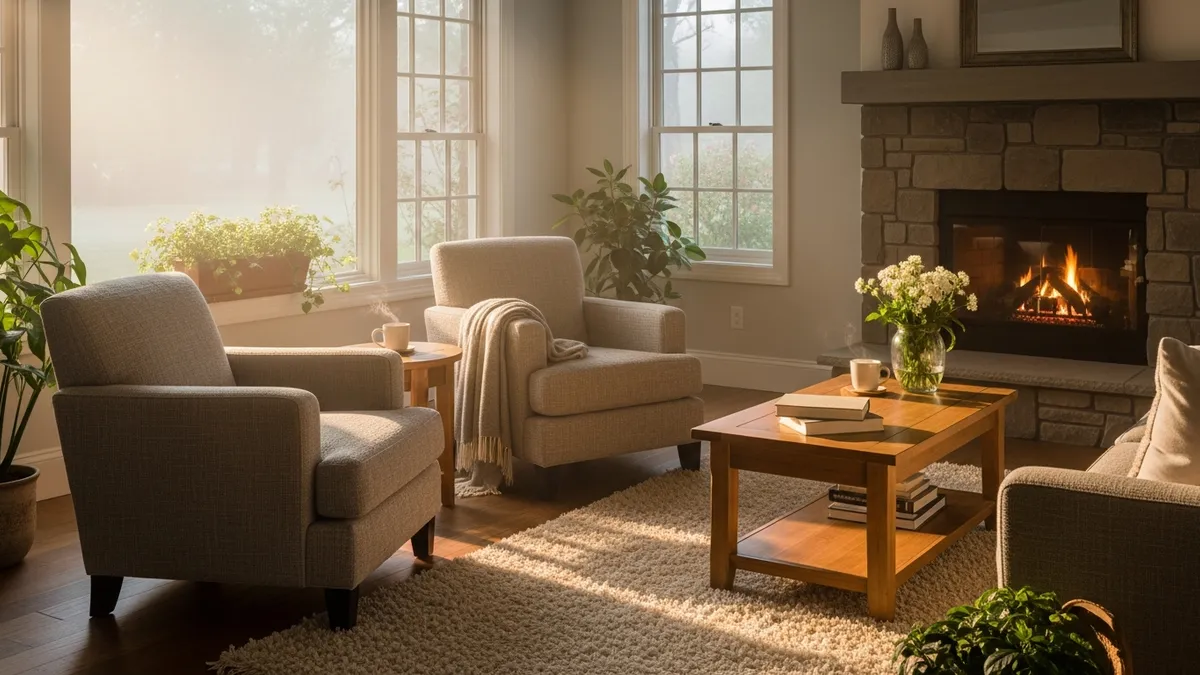
Our residential program lives in an actual single-family home on a regular street in San Marcos, not an institution. That setting matters more than people expect. Recovery is easier to imagine when it happens somewhere that feels like life, not a hospital ward.
Explore residential treatment
Residential Addiction Treatment in San Diego
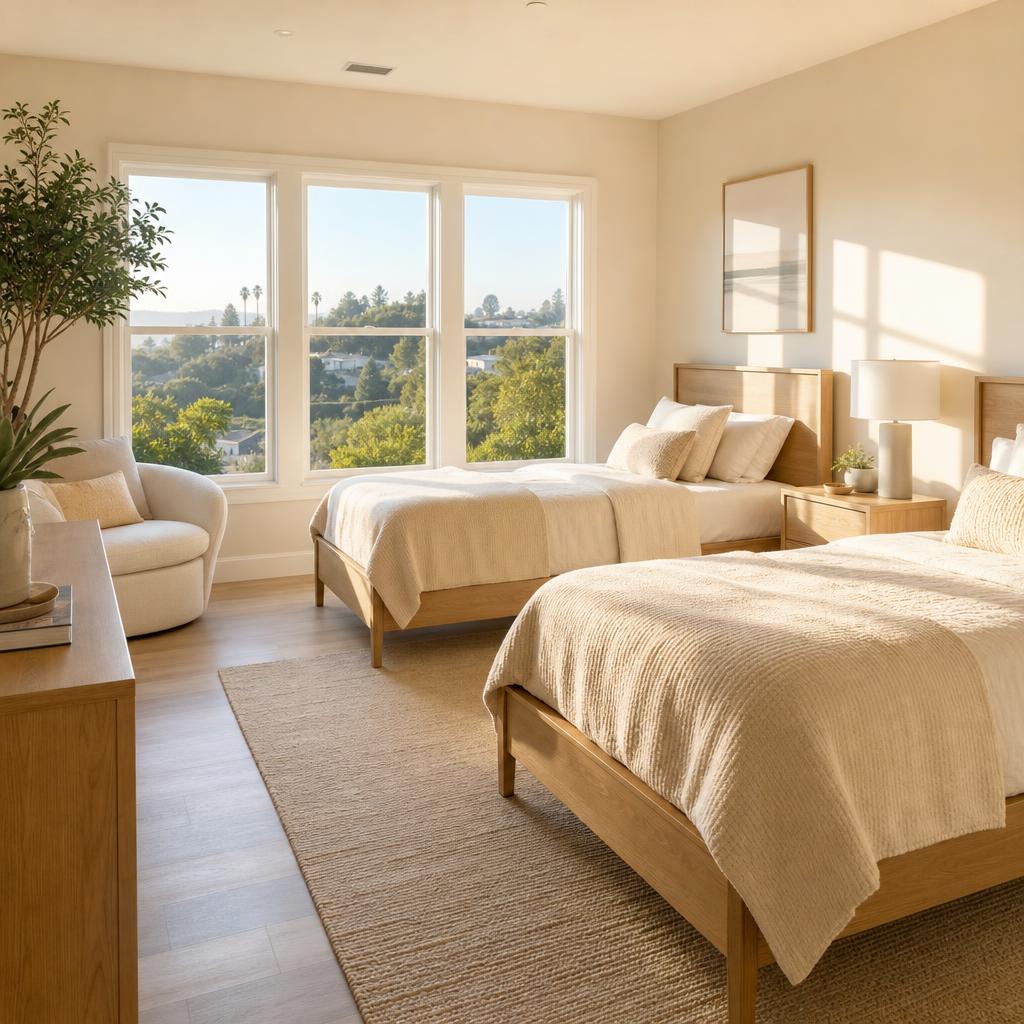
Round-the-clock residential care in a small, single-family home, typically fewer than six clients.
Learn more
Who Needs Residential Treatment?
How families can tell when outpatient is not enough and a structured, live-in level of care is the safer next step.
Learn more
Is 30 Days of Residential Treatment Enough?
Why insurance often caps residential care near 30 days, what the first weeks accomplish, and why the plan after matters most.
Learn more
Medication-Assisted Detox
Residential Detox and Withdrawal Management in San Marcos, plus separate outpatient withdrawal management in Carlsbad.
Learn more
Structured Sober Living
Structured sober living for men at By the Sea Recovery in San Marcos, a non-treatment level of care.
Learn moreOur Continuum of Care
Compare treatment levels and see how support can change as needs change.
Learn moreA home, not a facility
We keep the home small on purpose, usually fewer than six people at a time. Fewer people means real attention, real relationships with the clinical team, and a quieter space to focus. A lot of families tell us the home-like setting is exactly why they chose us over a big facility with dozens of beds.
The clinical core of the day
The structure of each day is what makes recovery start to feel possible again. The clinical backbone includes:
- Individual therapy with a consistent primary counselor who actually knows the story
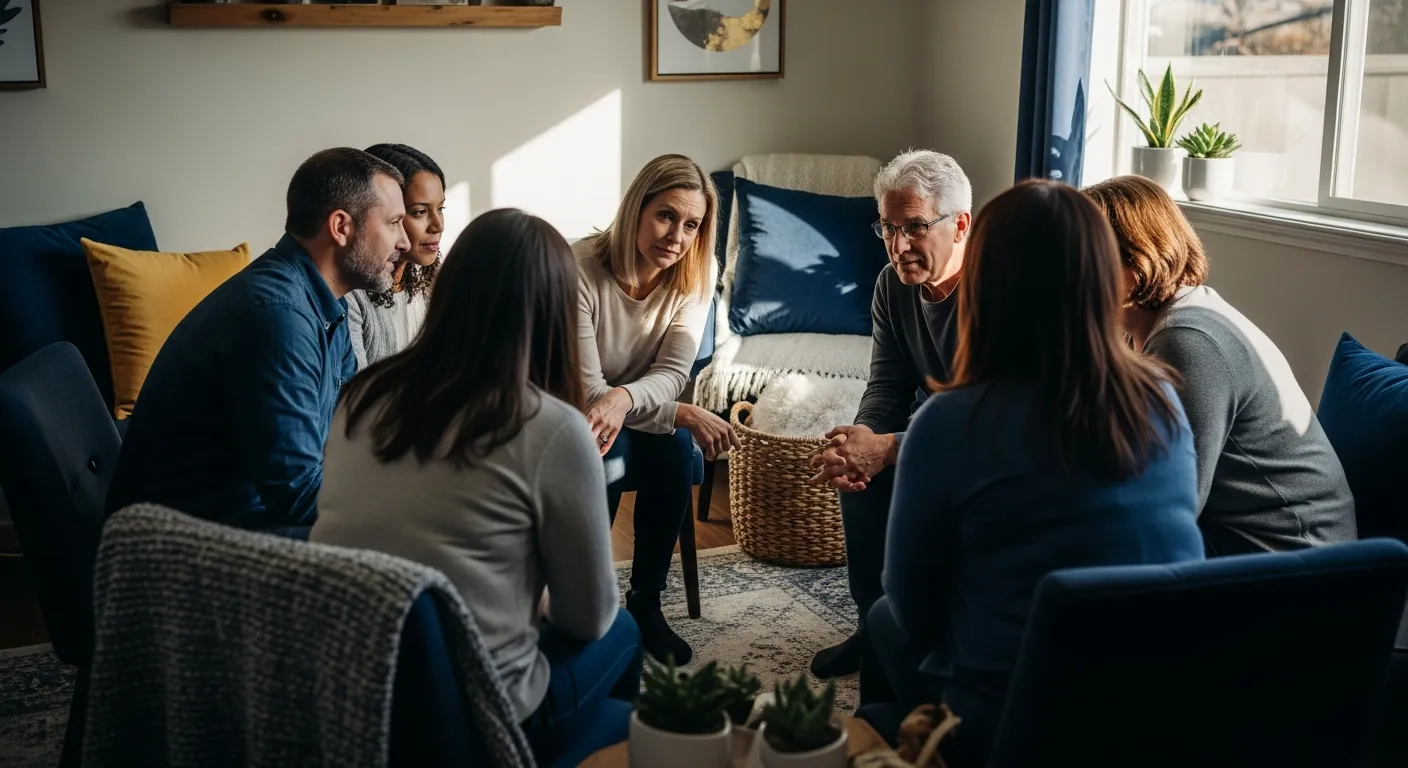
- Group counseling that rebuilds connection and teaches real skills
- Relapse prevention education so the work holds up after discharge
- Recovery discussions and time to reflect on what got them here
The parts of treatment people do not expect
Traditional therapy is essential, but it is not the only way people reconnect with themselves. We build in experiences that reach people who do not always open up in a chair across from a counselor:
- Workouts in a small home gym to start feeling physically human again
- Art therapy and creative expression
- Recovery-themed movies followed by honest group discussion
- Creative writing and journaling
- Personal reflection and quiet time that is hard to find in a chaotic life
We do not assume one method works for everyone, because it does not. The goal is to put real tools in front of people and help them find the ones that actually connect for them.
Medical oversight when it is needed
A lot of people need medical guidance in the early stretch of recovery. Care happens under the guidance of our Medical Director and clinical team, who oversee medical needs and medication management when appropriate. That can include monitoring physical health in early recovery, medication evaluation, support for people coming out of detox, and Medication-Assisted Treatment when it fits the situation. The point is to let people stabilize safely while they do the work.
“The beauty of our Continuum of Care model is a consistent treatment team from the beginning of the journey until the client is ready to fly solo. Clients are able to establish trust with their primary counselor, while the team supports them from the first day of care through their transition into the next appropriate stage of recovery.”
What comes next
Residential is one step, not the whole journey. From here, most people step down into PHP or IOP and then structured sober living, with the same team carrying the relationship forward. The day they leave the house is not the day support ends.
Frequently asked questions
What does a typical day in residential treatment look like?
Days are structured around individual therapy, group counseling, relapse prevention education, and recovery discussions, along with experiences like workouts, art, journaling, and reflection. The structure is what helps recovery start to feel steady again.
How many people are in the home at one time?
We keep it small on purpose, usually fewer than six people. That means more personal attention, stronger relationships with the team, and fewer distractions than a large facility.
Is there medical support during residential treatment?
Yes. Care happens under the guidance of our Medical Director and clinical team, who handle medical monitoring and medication management when appropriate, including Medication-Assisted Treatment when it fits.
What happens when residential treatment is over?
Most people step down into PHP or IOP and then structured sober living with the same clinical team. Residential is one connected stage in our Continuity of Care, not a standalone program.
Do you only offer traditional talk therapy?
No. Alongside individual and group therapy, we build in experiences like workouts in a small home gym, art therapy, creative writing, journaling, and recovery-themed films followed by group discussion. Different people connect with recovery in different ways, so we put real tools in front of them and help them find what works.