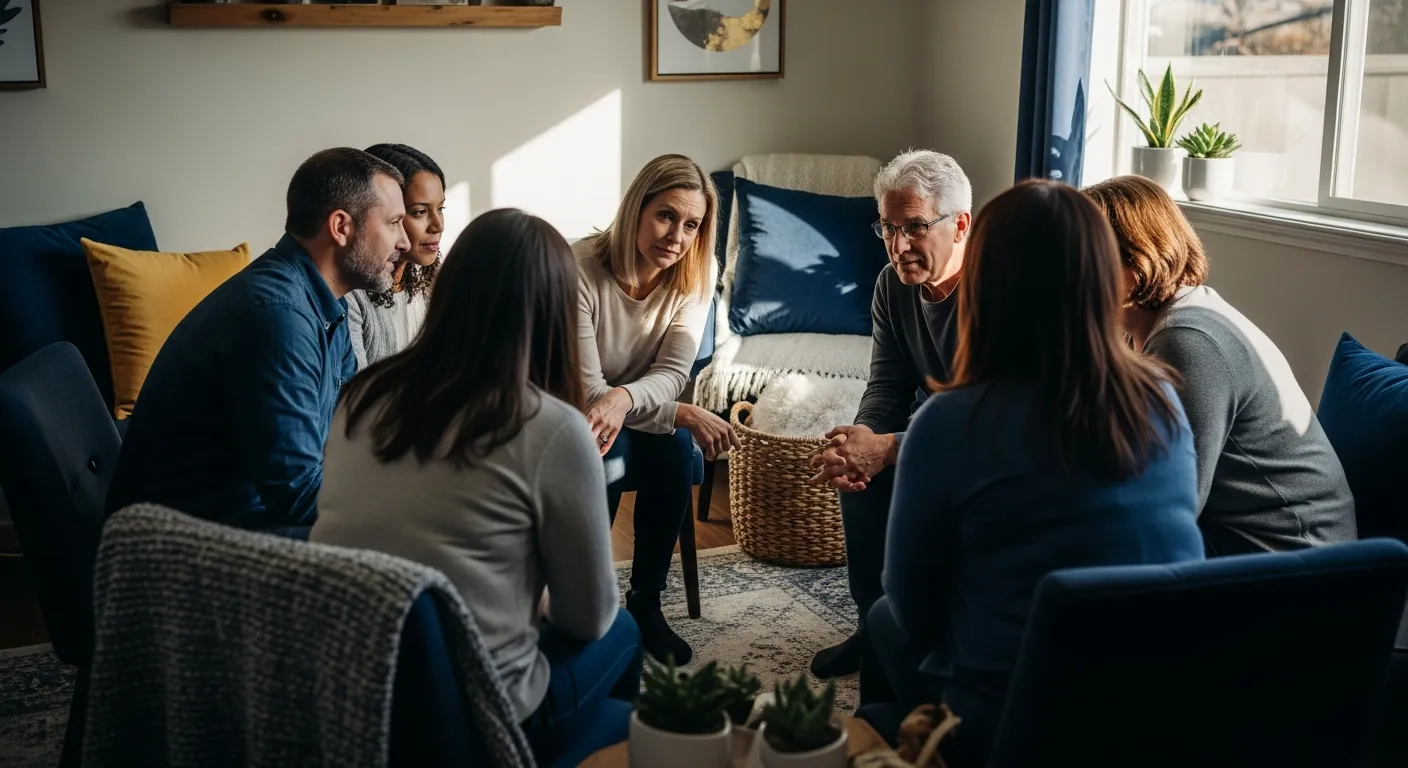
A bridge between treatment and fully independent living
One of the most important aftercare decisions is where someone will live when treatment ends. Home can be the right answer, especially when the environment is stable and supportive. But for many people, going straight from a structured treatment setting to full independence is a bigger jump than it looks. Sober living exists to make that jump smaller.
Keep exploring
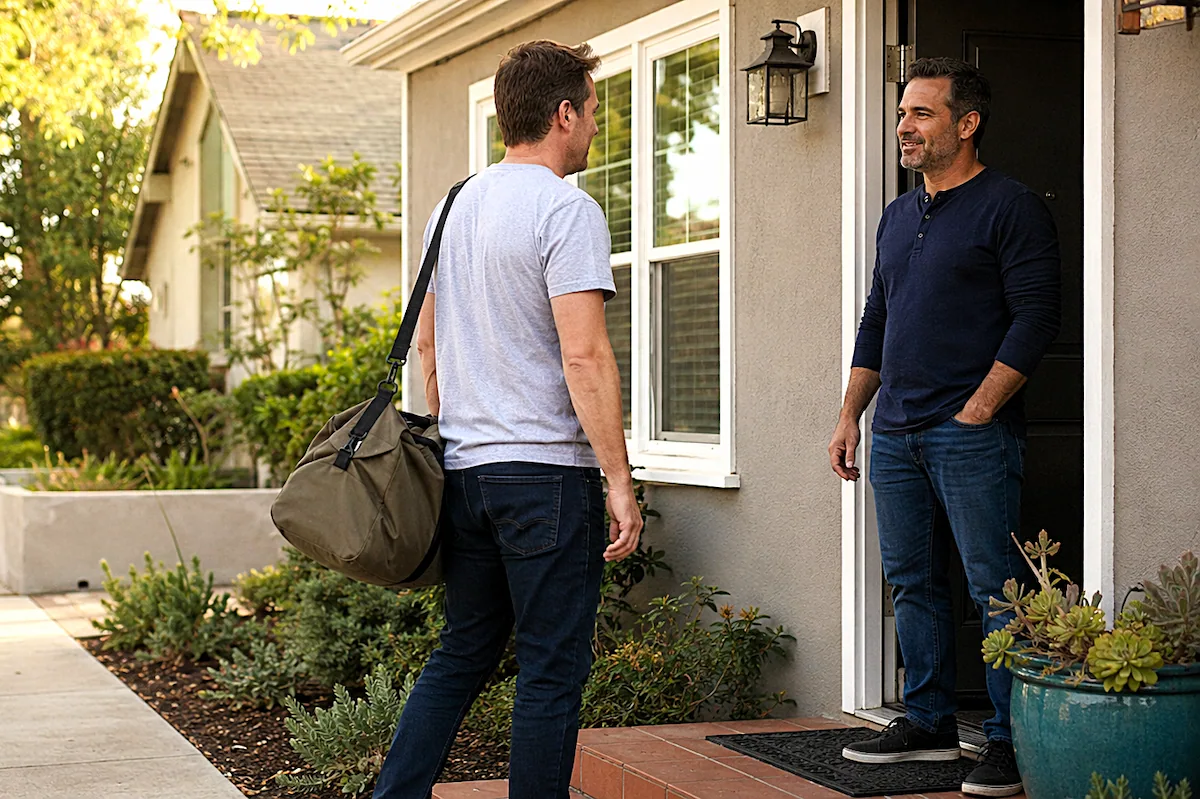
Structured Sober Living
Structured sober living for men at By the Sea Recovery in San Marcos, a non-treatment level of care.
Learn more
What Is Structured Sober Living?
Sober living is the bridge between treatment and the rest of life. Here is what structured sober living actually is, who it helps, and how it protects early recovery.
Learn more
Sober Living After Treatment
The step from treatment back to everyday life is where recovery is most fragile. Sober living bridges that gap so progress does not unravel.
Learn more
The First 90 Days After Treatment
How structure, healthy routines, and ongoing support create a strong foundation during the critical first three months of recovery.
Learn moreWhat is sober living?
Sober living homes provide alcohol- and drug-free living environments where residents support one another while gradually returning to everyday responsibilities. Many people attend PHP, IOP, work, or school while living in sober housing, so treatment and real life move forward together instead of one waiting on the other.
Who may benefit
Sober living may be recommended for people who:
- Need additional accountability
- Lack a stable recovery environment at home
- Are rebuilding healthy routines
- Want greater peer support
- Are transitioning from residential treatment
- Want additional time before living independently
A bridge to independent living
Sober living is not intended to replace treatment. It provides a supportive bridge between structured clinical care and fully independent living, letting people keep strengthening recovery one day at a time before taking the next step. Many individuals find that this extra layer of support is what gives them the confidence to build lasting recovery.
By the Sea Recovery, operated by Present Moments Recovery Group, provides separate men-only Structured Sober Living in a residential neighborhood in San Marcos. BTS housing is not PMR clinical treatment. Sober living inquiries use the By the Sea number, (760) 216-2077, and the home has its own site at bythesearecovery.com.
“The beauty of our Continuum of Care model is a consistent treatment team from the beginning of the journey until the client is ready to fly solo. Clients are able to establish trust with their primary counselor, while the team supports them from the first day of care through their transition into the next appropriate stage of recovery.”
Not sure whether home or sober living is the right move?
This is exactly the kind of decision worth talking through with someone who knows the options. Our phone line is answered seven days a week, from 8:00 AM–9:00 PM PT. Outside those hours, leave a message or send a text and we will respond as soon as possible. If you need to speak with someone now, call or text (619) 363-4767.
Frequently asked questions
Do I have to go to sober living after treatment?
No. Some people transition directly home, especially when home is stable and supportive. Sober living is one option among several, and the right choice depends on your environment, your recovery, and how much structure helps you. Your continuing-care plan works through that decision with you.
Can I work or attend outpatient treatment while in sober living?
Yes, and most residents do. Many people attend PHP, IOP, work, or school while living in sober housing. That combination, structured days plus a substance-free home, is often what makes early recovery hold.
How do I ask about a bed at By the Sea Recovery?
Sober living inquiries go through the By the Sea number, (760) 216-2077, and the home has its own site at bythesearecovery.com. If you are not sure where to start, the main line at (619) 363-4767 can point you in the right direction.
Who tends to benefit most from sober living after treatment?
Sober living may be a good fit for people who need additional accountability, lack a stable recovery environment at home, are rebuilding healthy routines, or want more peer support and time before living independently. It is common for those transitioning from residential treatment. If home is stable and supportive, going straight there can also be the right call.
Is sober living a replacement for treatment?
No. Sober living is not intended to replace clinical care. It provides a supportive bridge between structured treatment and fully independent living, letting people keep strengthening recovery one day at a time. Many find this extra layer of support is what gives them the confidence to build lasting recovery.