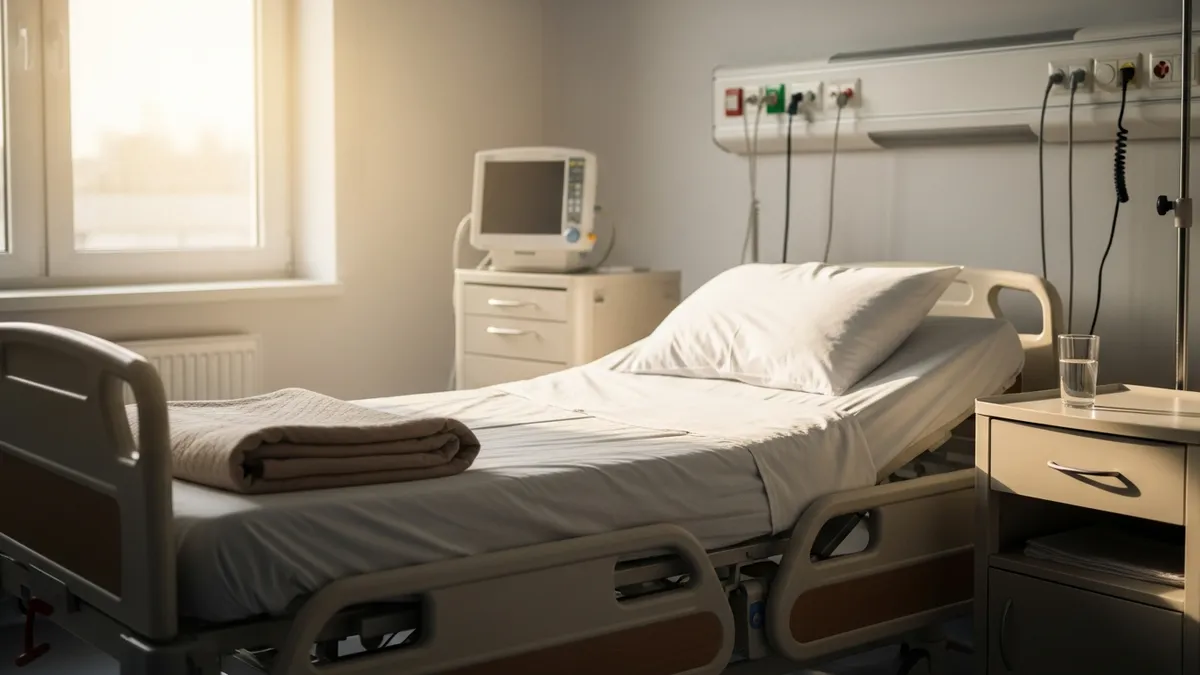
Safe withdrawal saves lives
Most people who decide to stop taking a benzodiazepine have no idea how carefully it needs to be done. With many substances, quitting cold turkey is miserable but survivable. With benzodiazepines, stopping abruptly after the body has become dependent can trigger complications that are genuinely life-threatening. That is not said to frighten anyone. It is said because knowing it keeps people safe.
Keep reading

Managing Anxiety Without Benzodiazepines
Practical strategies for reducing anxiety through therapy, emotional regulation, mindfulness, and healthy daily habits.
Learn more
Benzodiazepine Detox
Benzodiazepine withdrawal can be unpredictable and risky to stop suddenly. Here is how a slow, medically guided benzo detox protects safety.
Learn more
Residential Treatment
Round-the-clock residential care in a small, single-family home, typically fewer than six clients.
Learn moreWhat benzodiazepine withdrawal can involve
- Severe anxiety and panic attacks
- Tremors
- Insomnia
- Sweating
- Elevated heart rate
- Hallucinations
- Seizures
The severity depends on the dose, how long the medication was used, which benzodiazepine it was, and individual health factors. Someone who has taken a prescribed dose for years can experience withdrawal just as real as someone who misused the medication. Dependence is a physical adaptation, not a moral category.
Please do not stop suddenly
Benzodiazepines should never be discontinued abruptly without medical supervision. If you or someone you love wants to stop, the first step is a conversation with a clinician, not an empty pill bottle.
How medical detox works
Medical detox for benzodiazepines is built around a gradual, supervised taper. Rather than stopping all at once, the dose is reduced step by step on a schedule the clinical team adjusts based on how the body responds. Along the way, providers monitor vital signs, manage withdrawal symptoms, and keep the process as comfortable and safe as possible. The right pace depends on dose, history, and overall health, so the plan is built around the person, not a template.
Detox is the beginning, not the whole treatment
Detox provides a safe foundation, but it does not address why the medication became hard to live without. Most people were originally prescribed benzodiazepines for real anxiety, panic, trauma, or sleep problems, and those concerns need care of their own. At Present Moments Recovery, detox connects directly into residential and outpatient treatment, so the work of learning to manage anxiety without the medication starts as soon as the body is stable.
Frequently asked questions
Why is benzodiazepine withdrawal dangerous?
Because the brain has adapted to the medication's calming effect, removing it suddenly can push the nervous system into dangerous overactivity. Complications can include severe panic, hallucinations, and seizures, which is why supervised tapering is the standard of care.
How long does benzodiazepine withdrawal take?
It varies widely with the dose, the specific medication, and how long it was used. A supervised taper is measured in weeks rather than days, and some people taper over longer periods. The safest timeline is the one your clinical team builds around your response, not a fixed schedule.
Can I taper off benzodiazepines at home?
Only under the direction of a prescribing clinician who is monitoring the process. Never design your own taper or stop abruptly. For higher doses, long-term use, or a history of complicated withdrawal, medically supervised detox is usually the safer setting.
What happens during medical detox for benzodiazepines?
The clinical team reduces the dose gradually on an individualized schedule while monitoring vital signs and managing symptoms like anxiety, insomnia, and tremors. The goal is a safe, steady transition off the medication with support at every step.
What comes after detox?
Treatment for what the medication was covering: therapy for anxiety, trauma, or sleep problems, plus skills for managing stress without the medication. At Present Moments Recovery, detox flows directly into residential and outpatient care. Call or text (619) 363-4767 to talk through the right starting point. No pressure, just a conversation.