A treatment day that feels like purpose, not a hospital
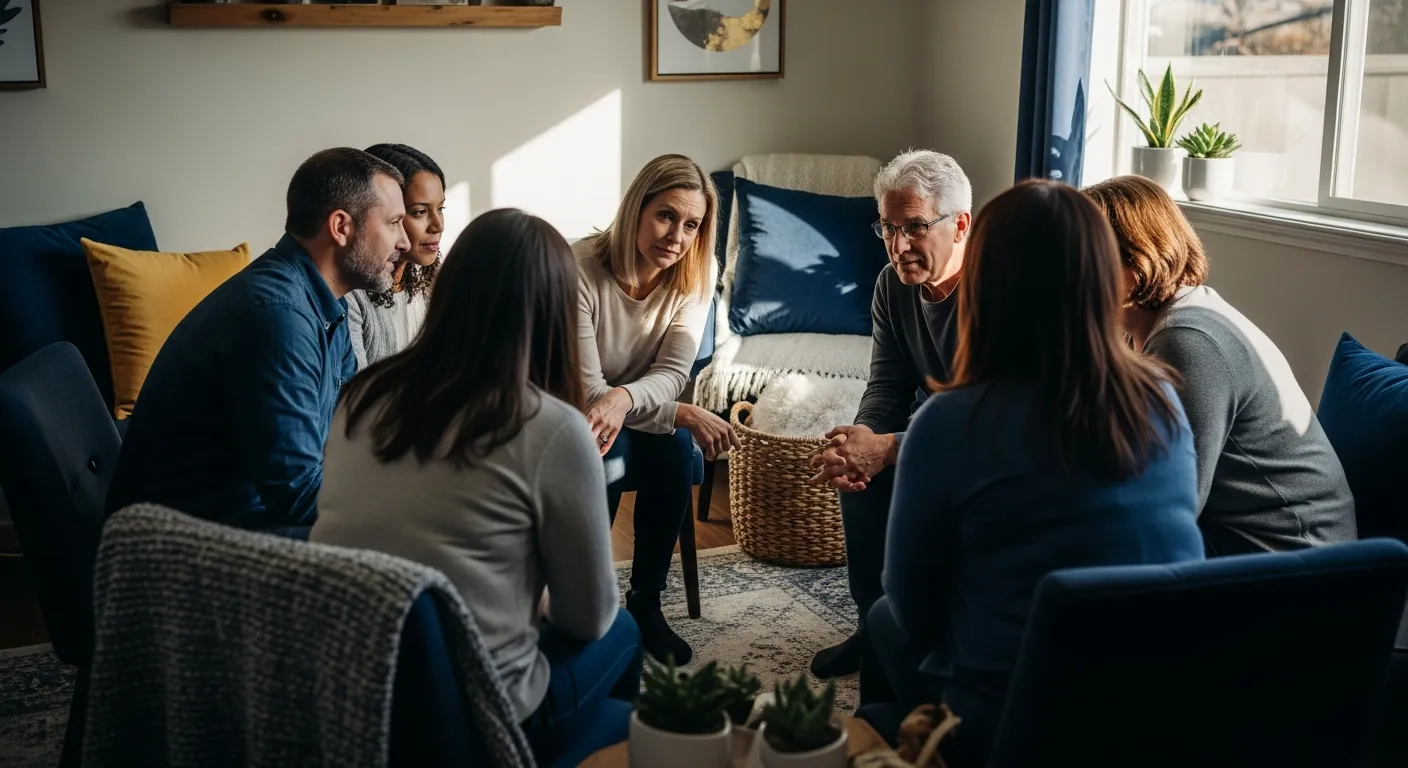
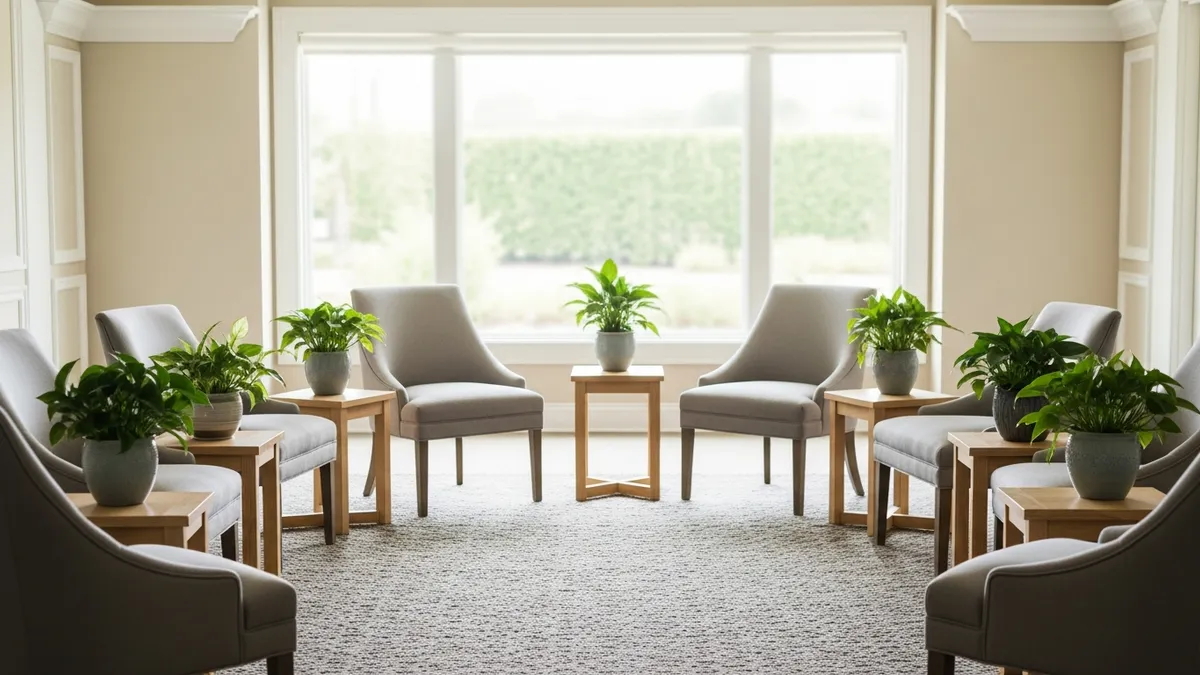
When families hear partial hospitalization, they often picture something clinical and cold, fluorescent lights and hospital gowns. The reality is very different. PHP at Present Moments Recovery happens at our outpatient office in Carlsbad, and a treatment day feels much closer to a structured, purposeful workday than a hospital stay. People arrive in the morning, do real therapeutic work with a team that knows them, and go home or to sober living in the evening.
Keep exploring PHP

Partial Hospitalization (PHP)
Structured daytime treatment at our Carlsbad location, higher support than IOP.
Learn more
PHP vs Residential Treatment
Both are intensive. One includes overnight structure, one does not. Here is how families can think about which level fits right now.
Learn more
Stepping Down from PHP
PHP is a bridge, not a destination. Here is how the step down to IOP and beyond works, and how support tapers without disappearing.
Learn more
Structured Sober Living
Structured sober living for men at By the Sea Recovery in San Marcos, a non-treatment level of care.
Learn moreThe shape of a PHP day
Our PHP runs Monday through Friday, about six hours a day, roughly 30 hours of clinical programming a week. Rather than chopping the day into disconnected appointments, the hours flow together as one integrated program day. A typical day moves through:
- A morning check-in, where everyone lands, settles, and names where they are at
- A three-hour recovery group focused on addiction education, relapse prevention, and coping skills
- A break for lunch and connection with peers
- A second three-hour therapeutic group, which may include process work, creative and experiential therapy, or skills practice
- Individual counseling, built into the program day rather than scheduled as a separate appointment
Because people are here for several hours a day, the individual work does not compete with the group work. Both happen inside the same day, with the same team, which is part of why this level of care moves recovery forward so quickly.
What the work actually is
The content of PHP is not busywork. Each part of the day is aimed at the same goal: building the skills and the stability someone needs to hold recovery once the structure tapers. That includes understanding what drives the addiction, learning to notice and manage cravings and emotional triggers, practicing healthier communication, and working through the specific situations waiting at home, at work, and in relationships. People bring real life into the room, and the room helps them carry it.
Screening and accountability
Because PHP happens outside a residential setting, people spend evenings and weekends in the community. Drug and alcohol screening through the week is part of the program, not as punishment, but as protection. It supports honest recovery work and helps the team catch instability early. If someone cannot stay abstinent on an outpatient basis, that is important clinical information, and it may mean a higher level of care is the safer fit for now.
Evenings and weekends
At the end of the program day, people go home or to structured sober living. For many, sober living during PHP is what makes the whole stage work: structured days and supportive, substance-free evenings. Weekends are where new skills get practiced in real life, then brought back into the room on Monday.
“The beauty of our Continuum of Care model is a consistent treatment team from the beginning of the journey until the client is ready to fly solo. Clients are able to establish trust with their primary counselor, while the team supports them from the first day of care through their transition into the next appropriate stage of recovery.”
Wondering if PHP is the right level?
You do not have to figure that out alone. Our phone line is answered seven days a week, from 8:00 AM–9:00 PM PT. Outside those hours, leave a message or send a text and we will respond as soon as possible. If you need to speak with someone now, call or text (619) 363-4767. No pressure, just a conversation.
Frequently asked questions
How many hours a day is PHP?
About six hours a day, Monday through Friday, roughly 30 hours of clinical programming a week. The day includes two three-hour group blocks with individual counseling built into the schedule.
Do people sleep at the facility during PHP?
No. PHP is a daytime program. People go home or to structured sober living in the evening, which is part of what makes it a bridge between residential treatment and independent life.
Is PHP like being in a hospital?
No. The name comes from old insurance language, not from how the program feels. PHP happens at our outpatient office in Carlsbad and feels closer to a structured, purposeful day of therapeutic work than a hospital stay.
Can I keep my phone and stay in touch with family during PHP?
Yes. PHP is an outpatient level of care, so evenings and weekends are your own. Many people coordinate with family daily, and family involvement is often part of the clinical work itself.
What should I bring on my first day of PHP?
Just yourself, comfortable clothes, and honesty about where things are. Your first day includes orientation with the clinical team, and they will walk you through everything else. If you have questions before you start, call or text (619) 363-4767.